Pro Tips
Learn
Why Do My Knees Crack When I Walk Upstairs?
Jul 19, 2026
Introduction
Knee cracking can be unsettling. You walk upstairs, hear a click or crunch, and immediately wonder if something is wearing out. The good news: knee sounds are common, and many are harmless when there is no pain, swelling, locking, or instability. The more useful question is not 'Why is it making noise?' but 'What else is happening with the noise?'
Knee cracking sound treatment depends on whether the sound is just movement noise or a sign that the knee is struggling with load, alignment, strength, or irritation.
Why knees make noise
Joints can click because of normal gas movement, tendons gliding over bony areas, cartilage surface changes, or how the kneecap tracks as the knee bends. Stairs make it more noticeable because they increase load through the kneecap and demand more control from the hips, quads, and calf muscles.
If the knee cracks but feels strong and pain-free, it may not need treatment. If cracking comes with pain around the kneecap, swelling, giving way, or trouble with stairs, assessment is sensible.
Common causes of painful cracking
Painful cracking may be linked to patellofemoral pain, early joint irritation, cartilage changes, muscle weakness, poor hip control, previous injury, or arthritis. Revive's article on knee pain and arthritis explains how knee symptoms often build gradually rather than appearing all at once.
For active people, training spikes can also matter. More stairs, running hills, squats, or padel sessions can overload the knee before the muscles are ready. Revive's sports injuries guide is useful if your symptoms started after activity.
How physiotherapy can help
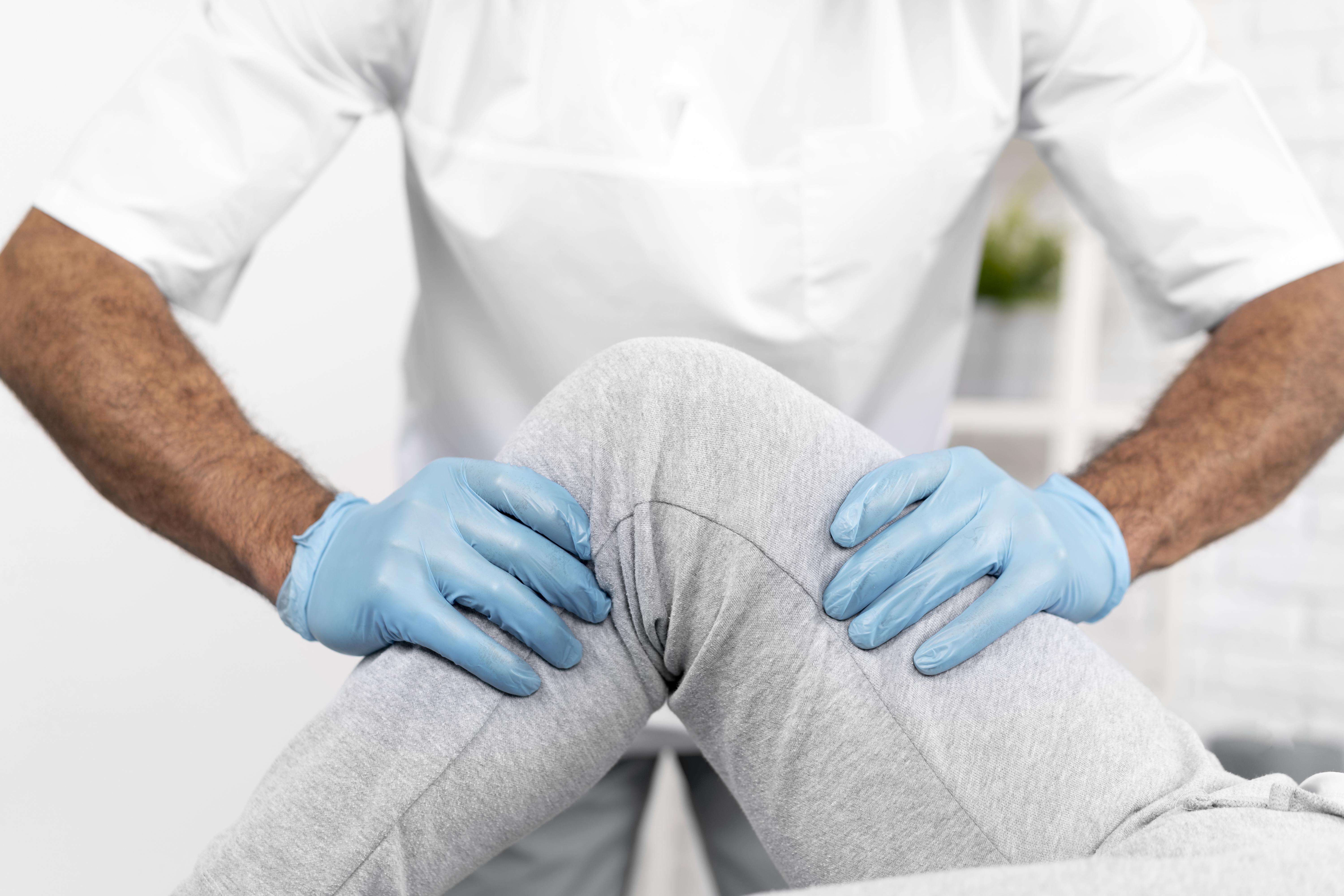
A physiotherapist will usually assess knee range, swelling, kneecap tracking, hip and ankle control, single-leg balance, squat mechanics, and stair movement. The treatment plan may include strengthening, mobility, balance, taping, load management, and gradual return to stairs or sport.
Treatment is not about silencing every sound. It is about making the knee more comfortable, stable, and confident under load. Revive's physiotherapy services page gives an overview of treatment options, and taping therapy may be helpful as temporary support for some patients.
What you can do now
Reduce the movements that clearly spike pain for a short period, but do not stop moving completely unless advised. Try slower stair climbing, use the railing, avoid sudden increases in training, and build basic strength with pain-free movements. If swelling appears, stop pushing and get checked.
The goal is simple: teach the knee to handle stairs again without fear, not obsess over every harmless click.
FAQs
Q: Is knee cracking arthritis?
A: Not necessarily. Knee sounds can happen without arthritis. Pain, swelling, stiffness, and function matter more.
Q: Should I avoid stairs if my knee cracks?
A: If there is no pain, usually not. If stairs hurt, reduce load temporarily and get assessed.
Q: Can physiotherapy stop knee cracking?
A: Sometimes sounds reduce, but the main goal is better strength, control, and pain-free movement.
Disclaimer
This article is for educational purposes only and should not be treated as a diagnosis or a substitute for medical advice. Please review final clinical wording with a qualified physiotherapist before publishing.