Pro Tips
Common Sports Injuries in Kuwait & How to Heal
Apr 26, 2026
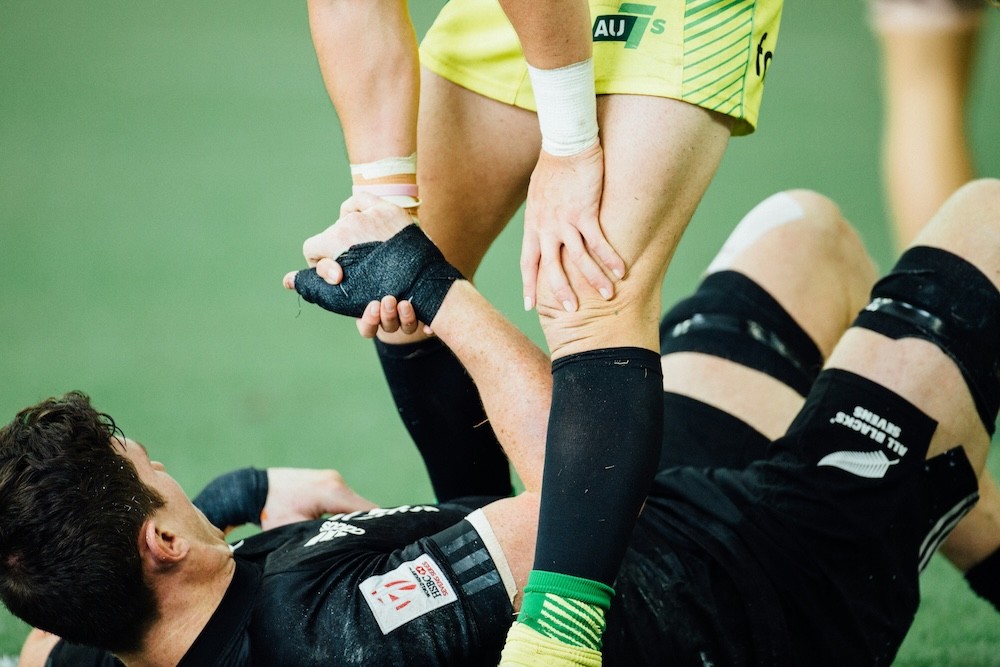
Out on a pitch in Kuwait, things move fast. One sharp turn, one awkward landing… and that’s it. You feel it. Sometimes right away, sometimes later that evening when everything tightens up.
If you're unsure where to begin, start with a quick overview of recovery options on the reive center .
People usually focus on the moment of injury. Fair. But recovery — that’s where most go wrong.
Most Common Sports Injuries in Kuwait
If you look at local patterns, lower-body injuries show up again and again. Knees, ankles, hamstrings. No surprise.
Injury | How it tends to happen | What you might notice |
Anterior Cruciate Ligament injury | Sudden pivot, change in direction | Knee feels unstable, swelling kicks in |
Hamstring strain | Sprinting, overstretch | Sharp pull at the back of the thigh |
Meniscus tear | Twisting under load | Locking, clicking, limited movement |
Ankle sprain | Bad landing, uneven ground | Pain, swelling, hard to bear weight |
You could say it’s the stop-start nature of sport here. Quick moves. Hard surfaces. It adds up.
If you're dealing with knee instability, this detailed guide on ACL injury symptoms and recovery timeline can help.
Early Signs of Sports Injuries You Should Not Ignore
This part is often brushed aside. It shouldn’t be.
Swelling that shows up fast
A popping sound during movement
Joint feels loose or unreliable
Pain that doesn’t ease after a few days
Honestly, if any of this sticks around, it’s not something to “walk off.”
You can explore common physiotherapy warning signs early here .
First Phase of Injury Recovery: RICE vs POLICE Method
Most people know the RICE method. Rest, ice, compression, elevation. Still useful. Still relevant.
But here’s the thing — that’s just the start.
After the initial phase, the approach shifts toward the POLICE principle. Protection, then gradual loading. Not full rest. Not random movement either. Somewhere in between.
That balance matters more than people think.
For deeper insight into recovery approaches, see how physiotherapy supports faster recovery.
Effective Treatment Options for Sports Injuries in Kuwait
Clinics often use a mix of hands-on work and targeted tools. Not magic, just methods that support recovery.
Approach | Why it’s used |
Dry needling | Helps ease muscle tightness |
Shockwave therapy | Used for stubborn pain points |
Manual therapy | Improves joint and tissue movement |
Taping | Adds support during early recovery |
These can reduce pain, sure. But on their own? Not enough.
Sports Injury Rehabilitation: The Key to Full Recovery
This is where outcomes change. Or don’t.
In Sports medicine, one idea comes up again and again: structured rehab lowers re-injury risk.
That usually means:
Strength work — gradual, not rushed
Restoring range of motion
Fixing movement patterns
Step-by-step return to load
Skip this stage, or rush it, and the injury tends to come back. Maybe not today. But soon enough.
How Kuwait’s Climate Affects Injury Recovery
Recovery here isn’t the same as in milder climates. Heat plays a role. Fatigue builds faster. Hydration drops without you noticing.
Add in:
Outdoor football in high temperatures
Beach sports
Hard, dry surfaces
So rehab plans need to adjust. Slightly, but importantly. It’s not just about the injury — it’s about the setting.
When to See a Sports Injury Specialist
A simple rule works here:
Pain lasts more than a few days
Movement feels off
Joint doesn’t feel stable
That’s your signal.
Waiting rarely helps. It usually just stretches out the recovery timeline.
A More Grounded Way to Think About Recovery
A lot of pages say things like “come back stronger.” Sounds good. Doesn’t help much.
A better way to look at it:
Settle the injury early
Restore movement
Build strength again
Return to sport in stages
That’s it. Not complicated, but not optional either.
And if something feels off along the way — it probably is.