Pro Tips
Knee Pain and Arthritis: Causes, Symptoms, and What Actually Helps
Jun 6, 2026
Knee pain usually does not show up in one sharp moment. It tends to build.
A small ache after a longer walk. Then the stairs feel a bit off. Nothing dramatic. Just enough that you notice it. And then one morning you stand up from the couch and pause before that first step. Not because it is unbearable. More like the knee needs a second to “agree” with you.
That is often where arthritis starts to become real in daily life.
And yes, many people hear “arthritis” and go straight to surgery in their mind. Knee replacement. Rehab. Time off. The whole package. But that is only one path, and not the most common starting point.
A lot of people live with knee arthritis for years without surgery. What usually drives the problem is not one big injury. It is a slow build-up of habits that keep the joint irritated without anyone really noticing.
If your knee pain is starting to affect your daily movement, you can visit our center or contact our team for professional guidance and a proper assessment.
Why Rest Can Make Knee Pain Worse
When the knee hurts, the first instinct is to rest it. That makes sense. Most people do it.
But the knee does not stay happy with long rest periods. It stiffens. The muscles around it start to weaken. A little at first, then more than you expect. After that, the joint takes more load on its own. And pain tends to rise.
It becomes a loop. Pain leads to rest. Rest leads to weakness. Weakness leads to more pain.
Not ideal.
So the aim is not to push through severe pain. That rarely helps. The aim is simpler. Keep the knee moving in ways it can handle.
👉 Read: knee pain treatment basics
Better vs Worse Activities for Knee Arthritis
Usually Better Choices | Often Triggers Pain |
Walking on flat ground | Long runs on hard roads |
Cycling | Deep squats with poor form |
Swimming | Jumping or landing hard |
Light strength work | High-impact sport during flare-ups |
Short walks still count. Even small ones. The pattern matters more than the effort in a single session. That part surprises people sometimes.
👉 Related: home physiotherapy guide
Body Weight and Knee Load in Arthritis
This topic comes up often, and for good reason.
The knee takes a lot of force. More than body weight during walking. Much more on stairs or when standing up from a chair.
So even a modest change in weight can shift how the joint feels.
Some people notice it after losing around 10–15 pounds. Less swelling. Less stiffness when getting up in the morning. It is not instant. It builds slowly.
And it is not about appearance here. It is mechanical. Less load means less stress inside the joint surfaces. Simple idea, but it matters.
How Muscle Strength Supports the Knee Joint
People often think arthritis is only about “wear and tear” in cartilage. That is only part of it.
Muscles around the knee play a big role. Quads, hips, glutes, even the core. When these are weak, the knee ends up taking forces it was not meant to handle alone.
You could say the knee becomes the middle point of a weak chain.
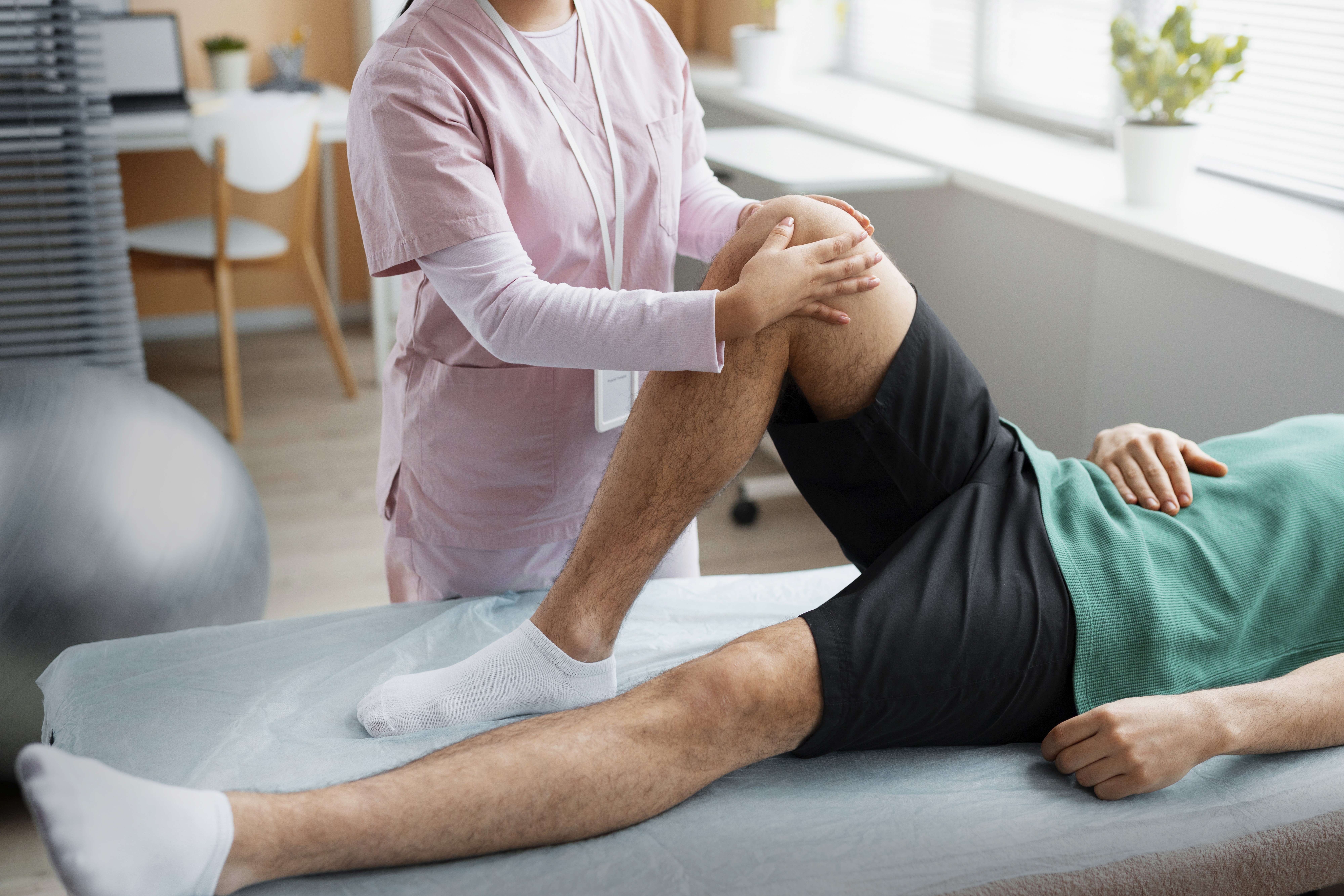
That is why physical therapy helps many people. The exercises are often simple. Almost too simple at first glance. Slow lifts. Controlled steps. Nothing fancy.
Still, they change how force moves through the leg.
A rough pattern looks like this:
Helpful Patterns | Problem Patterns |
Regular low-impact movement | Long periods of rest |
Gradual strength work | Pushing through sharp pain |
Stretching and balance work | Rare intense workouts |
Staying active most days | Waiting for pain to spike first |
Massage helps some people. Acupuncture helps others. Pain is not very predictable here. Two people with the same scan can feel very different.
👉 Learn more: manual therapy benefits
Knee Braces, Creams, and Pain Relief Options
A knee brace can shift pressure inside the joint. Not fix it. Just redistribute the load a bit. For some people, that makes walking or shopping easier.
Topical treatments also play a small role:
* Anti-inflammatory gels
* Menthol creams
* Numbing creams
* CBD-based creams (mixed results)
None of these remove arthritis. That is important. But they can reduce the background noise of pain.
Ice is still worth mentioning. Simple, old, and often effective. During flare-ups, it can reduce swelling and calm the joint enough to move more comfortably.
👉 Related: dry needling vs acupuncture
Diet, Inflammation, and Knee Pain
Diet can influence inflammation, but the effect varies a lot between people.
Meals with vegetables, lean protein, healthy fats, and fiber may help some individuals feel less stiffness. Processed food, high sugar intake, and frequent alcohol can have the opposite effect for some. Not all, but some.
There is no food that reverses arthritis. That idea does not hold up.
Supplements are mixed too.
Helpful Patterns | Problem Patterns |
Regular low-impact movement | Long periods of rest |
Gradual strength work | Pushing through sharp pain |
Stretching and balance work | Rare intense workouts |
Staying active most days | Waiting for pain to spike first |
People often report strong opinions here. One person swears by a supplement. Another feels nothing. Both can be true at the same time.
Pain Medicines and Injection Treatments
Common pain medicines include:
* Acetaminophen
* Ibuprofen
* Naproxen
These help during painful phases. But they are not risk-free. Long-term use can affect the stomach, kidneys, blood pressure, or liver depending on the drug and dose.
Doctors sometimes suggest injections:
* Steroid injections
* Hyaluronic acid injections
* Local anesthetic injections
These do not repair cartilage. That point gets confused a lot. What they can do is reduce pain for a period of time. Enough to keep someone active or delay surgery in some cases.
Do Knee Pain “Quick Fix” Products Work?
Knee pain brings a lot of marketing with it.
Copper sleeves. Magnetic straps. Devices that claim to rebuild cartilage.
Some people report relief. That happens. But strong clinical evidence is limited for many of these products.
If something promises fast repair of joint damage, it is worth slowing down and checking the claim. Arthritis does not work on shortcuts like that.
When Knee Replacement Becomes an Option
Non-surgical care helps many people. Not everyone, but many.
Knee replacement usually comes into discussion when pain becomes constant. Sleep gets disrupted. Walking feels restricted. Daily life starts to revolve around the knee, even after trying reasonable treatment steps.
At that point, surgery is not a first choice. It is a practical one.
Orthopedic surgeons often prefer to delay it until simpler measures stop working. Not because surgery is weak. It can help a lot in the right situation.
But timing matters. Knee replacement tends to make the most sense when the joint has moved past what conservative care can handle.