Learn
Pelvic Floor Physiotherapy: More Than Just Postpartum Recovery
Jul 18, 2026
Introduction
Pelvic floor physiotherapy is often talked about only after childbirth, but the pelvic floor affects far more than postpartum recovery. These muscles help with bladder control, bowel control, pelvic stability, sexual comfort, and support for the lower back and hips. When they are too weak, too tense, poorly coordinated, or overloaded, symptoms can show up in everyday life.
Pelvic floor physiotherapy in Kuwait can be useful for women and men, athletes, new mothers, people with pelvic pain, and anyone dealing with leakage or pressure that they feel embarrassed to discuss. It is more common than people think, and it is treatable in many cases.
What the pelvic floor does
Think of the pelvic floor as a supportive hammock of muscles. It needs strength, but it also needs timing and the ability to relax. A pelvic floor that is always tight can cause problems too. This is why the answer is not always 'just do Kegels'. Some people need strengthening. Others need relaxation and coordination first.
Symptoms may include urinary leakage, urgency, pelvic heaviness, pain with sitting, constipation-related straining, lower-back discomfort, hip tightness, or difficulty returning to exercise after childbirth or surgery.
Who may benefit from assessment
People often seek care after pregnancy, C-section, vaginal delivery, prostate surgery, pelvic pain, recurring lower-back issues, or unexplained core weakness. Athletes may notice leakage with jumping or heavy lifting. Office workers may feel pelvic or hip discomfort after long sitting.
Because symptoms can be personal, treatment should feel respectful and clearly explained. Revive's approach to personalized physiotherapy plans is especially important for this type of care.
How physiotherapy can help
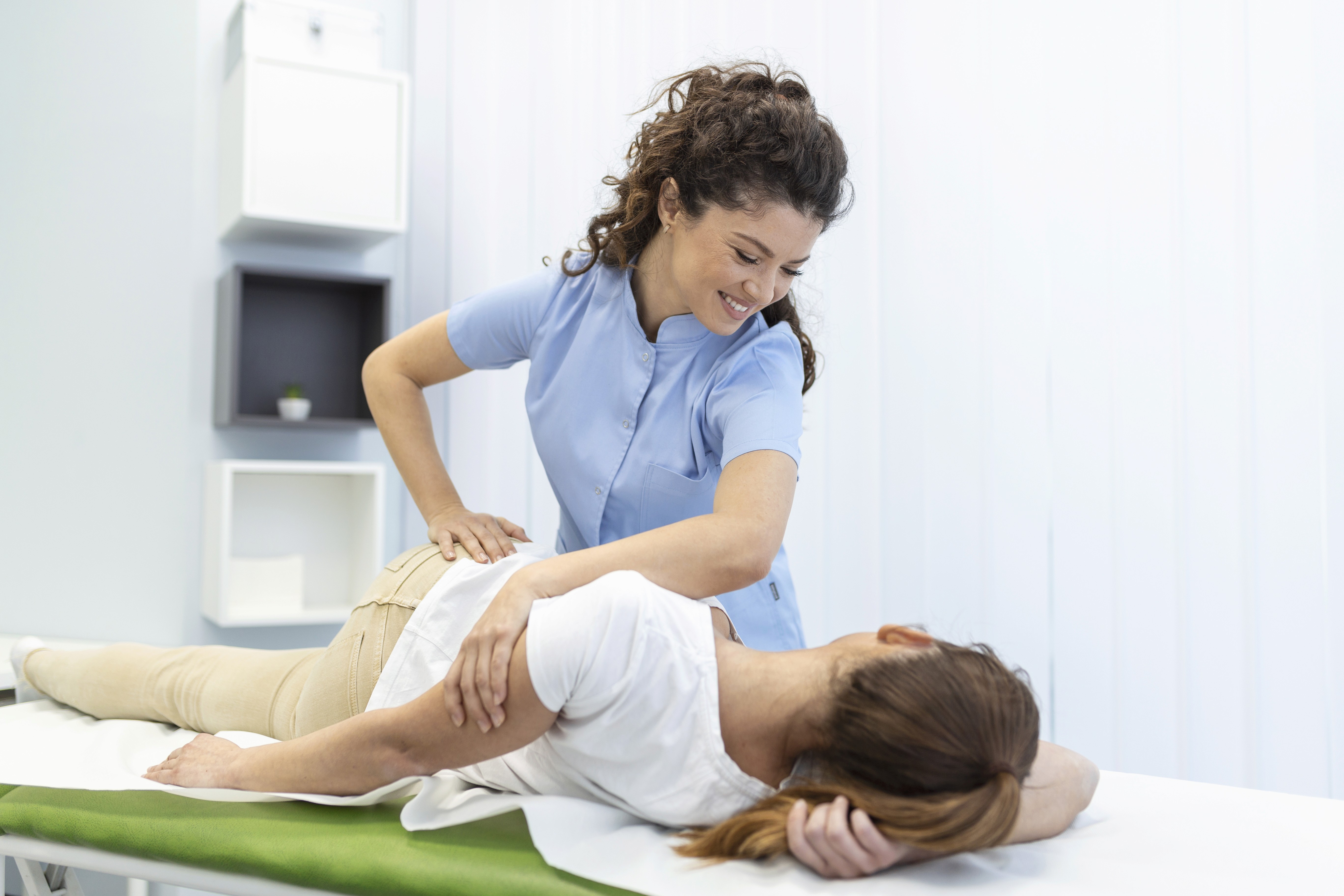
A pelvic floor physiotherapist may assess posture, breathing, core control, hip mobility, scar sensitivity, movement habits, and symptom patterns. Depending on the case, treatment can include education, breathing work, pelvic floor exercises, relaxation strategies, core strengthening, return-to-exercise planning, and lifestyle advice.
Some patients also need help with pain science and gradual exposure to movement, especially if pelvic symptoms have become chronic. Revive's article on chronic pain and physiotherapy can support that understanding. General treatment options are available through Revive's physiotherapy services, and home care support may be useful for some postpartum or mobility-limited patients.
When to seek help
Do not wait months if leakage, heaviness, pain, or pressure is affecting daily life. Also seek medical review for unexplained bleeding, fever, severe pelvic pain, new numbness, or sudden changes in bladder or bowel control.
The earlier you address pelvic floor symptoms, the easier it often is to rebuild confidence with lifting, exercise, intimacy, and daily movement.
FAQs
Q: Is pelvic floor physiotherapy only for women after birth?
A: No. It can help different people with leakage, pelvic pain, core control, or post-surgical recovery needs.
Q: Are Kegels always the answer?
A: No. Some pelvic floors are overactive or poorly coordinated, so relaxation and breathing may come before strengthening.
Q: Is treatment private?
A: It should always be respectful, clearly explained, and based on consent at every step.
Disclaimer:
This article is for educational purposes only and should not be treated as a diagnosis or a substitute for medical advice. Please review final clinical wording with a qualified physiotherapist before publishing.