Pro Tips
Plantar Fasciitis: Why Heel Pain Is Worst With Your First Steps
Sep 27, 2026
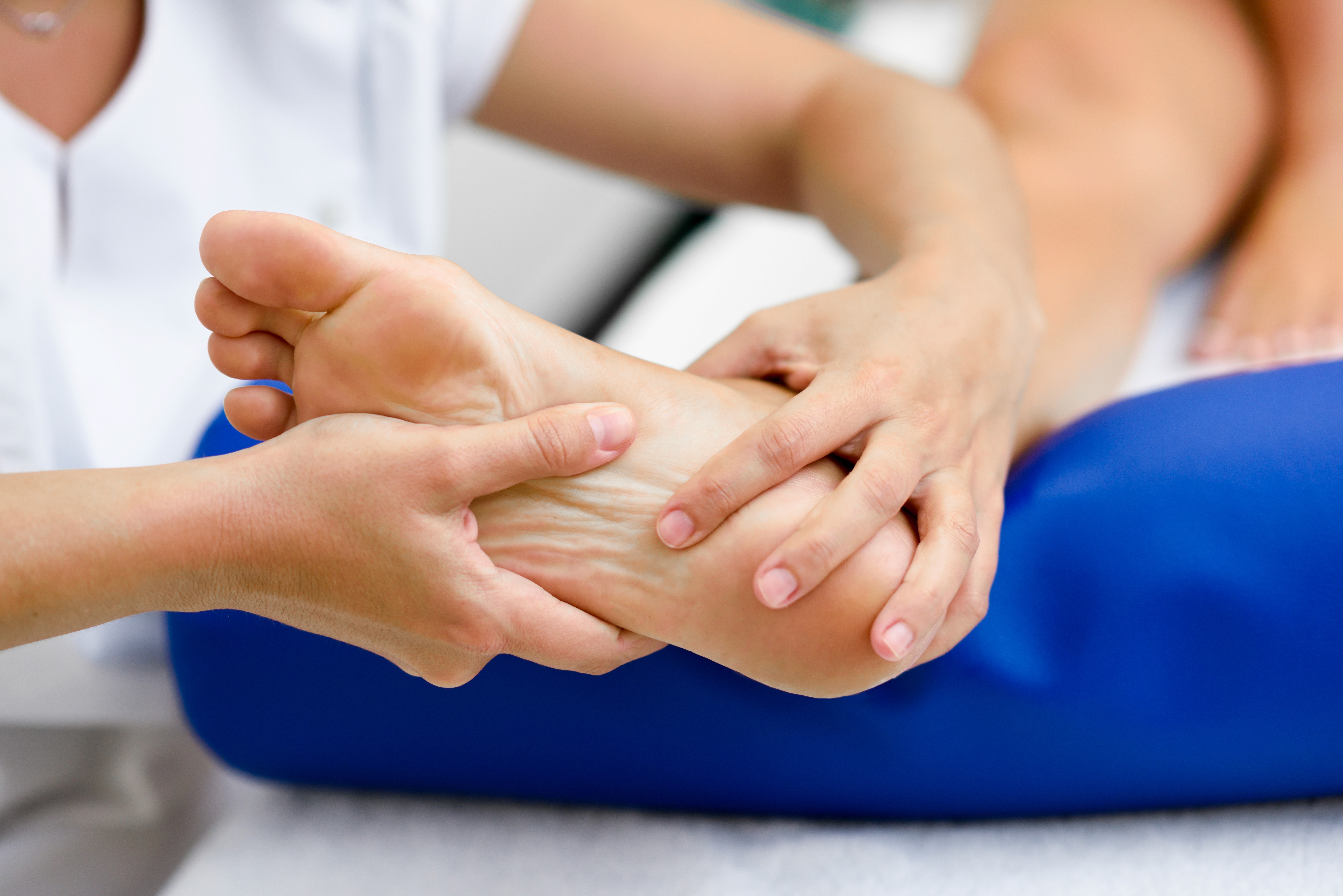
You get out of bed, place your foot on the floor and feel a sharp pain beneath the heel. After a few minutes of walking it eases, only to return after sitting through a meeting, driving for a while or standing for a long period. That 'first-step' pattern is commonly associated with plantar heel pain, often called plantar fasciitis. The NHS describes plantar fasciitis as pain around the heel and arch that is commonly worse when walking after sleep or rest. The pattern is distinctive, but heel pain still deserves a proper assessment when it persists because not every painful heel has the same cause.
What is the plantar fascia?
The plantar fascia is a strong band of connective tissue running along the bottom of the foot from the heel toward the toes. It contributes to arch support and helps the foot manage force as you stand, walk and run. When the tissue is repeatedly exposed to more load than it currently tolerates, pain can develop around its attachment near the heel. A rapid increase in walking or running, prolonged standing, footwear changes, reduced ankle mobility and changes in body weight can all alter the load on the foot. There is rarely one universal cause. Revive's article on flat feet and biomechanics is useful background because foot shape and mechanics can influence how load is distributed, without automatically being the sole explanation for pain.
Why do the first steps hurt so much?
After the foot has been relatively unloaded during sleep or prolonged sitting, suddenly placing full body weight through a sensitive plantar fascia can hurt. Once you take several steps, the tissues warm up and discomfort may temporarily settle. The 2023 clinical practice guideline on heel pain identifies pain with initial weight-bearing after inactivity as a characteristic clinical feature. That does not mean the problem has disappeared when the pain eases. Someone may feel reasonable after five minutes of walking but become increasingly sore after a day on their feet.
Does plantar fasciitis mean you should stop walking?
Usually, complete rest is not the goal. Rehabilitation commonly uses load management: reducing or modifying the activities currently provoking the heel while maintaining an appropriate level of movement. For one person, that may mean temporarily reducing running mileage. For another, it may mean breaking up long periods of standing at work. A physiotherapist may also assess ankle movement, calf strength, foot function and walking or running demands. Revive's broader sports injury recovery guide explains why gradual reloading is usually more useful than either ignoring symptoms or stopping all activity.
Why strengthening matters
Many people spend months stretching their calf and arch without ever rebuilding the capacity of the calf-foot complex. Walking, running and climbing stairs repeatedly ask the calf and plantar tissues to accept force. Rehabilitation therefore needs to prepare those tissues for the activities the patient wants to resume. A programme may progress from controlled calf raises to heavier strengthening and, where appropriate, faster or more demanding tasks. The precise exercises and dosage should be individualised. Evidence-based care can also include plantar-fascia and calf stretching, education and selected short-term strategies such as taping. Revive's physiotherapy services page provides an overview of the clinic's rehabilitation approach and available treatment options.
What about shockwave therapy?
Shockwave therapy may be considered for some persistent tendon or plantar heel presentations, but it should not be presented as a replacement for diagnosis, load management and rehabilitation. Revive already has a separate article explaining shockwave therapy and its use for conditions such as plantar fasciitis. If a modality is used, patients still need a plan for rebuilding strength, activity tolerance and confidence.
Not every painful heel is plantar fasciitis
Heel pain can also come from other conditions, including nerve irritation, heel-fat-pad disorders, stress injuries and other musculoskeletal problems. Seek medical assessment sooner if heel pain followed significant trauma, you cannot bear weight, the foot is unusually swollen or hot, you develop unexplained numbness, or symptoms are progressively worsening. People with diabetes or reduced foot sensation should be particularly cautious about self-treating persistent foot problems.
The practical takeaway
Plantar fasciitis is rarely solved by finding one magical stretch, shoe or treatment machine. A more useful question is: what is currently asking more of your foot than it can comfortably tolerate, and how can its capacity be rebuilt? Physiotherapy can help identify contributing factors, modify load without unnecessary inactivity and progressively restore strength and function.
Related Revive resources
• Flat Feet and Back Pain: The Hidden Biomechanics Explained
• Common Sports Injuries in Kuwait & How to Recover
Sources
• Koc TA Jr et al. - Heel Pain - Plantar Fasciitis: Revision 2023, JOSPT
Medical disclaimer: This article is for general informational and educational purposes only. It does not provide a diagnosis or personalised treatment plan and does not replace advice, examination or treatment from a qualified doctor, physiotherapist or other healthcare professional. Seek appropriate medical attention for severe, rapidly worsening, traumatic, neurological or otherwise concerning symptoms.