Learn
Understanding Shockwave Therapy Costs in Kuwait (2026 Guide)
Jan 4, 2026
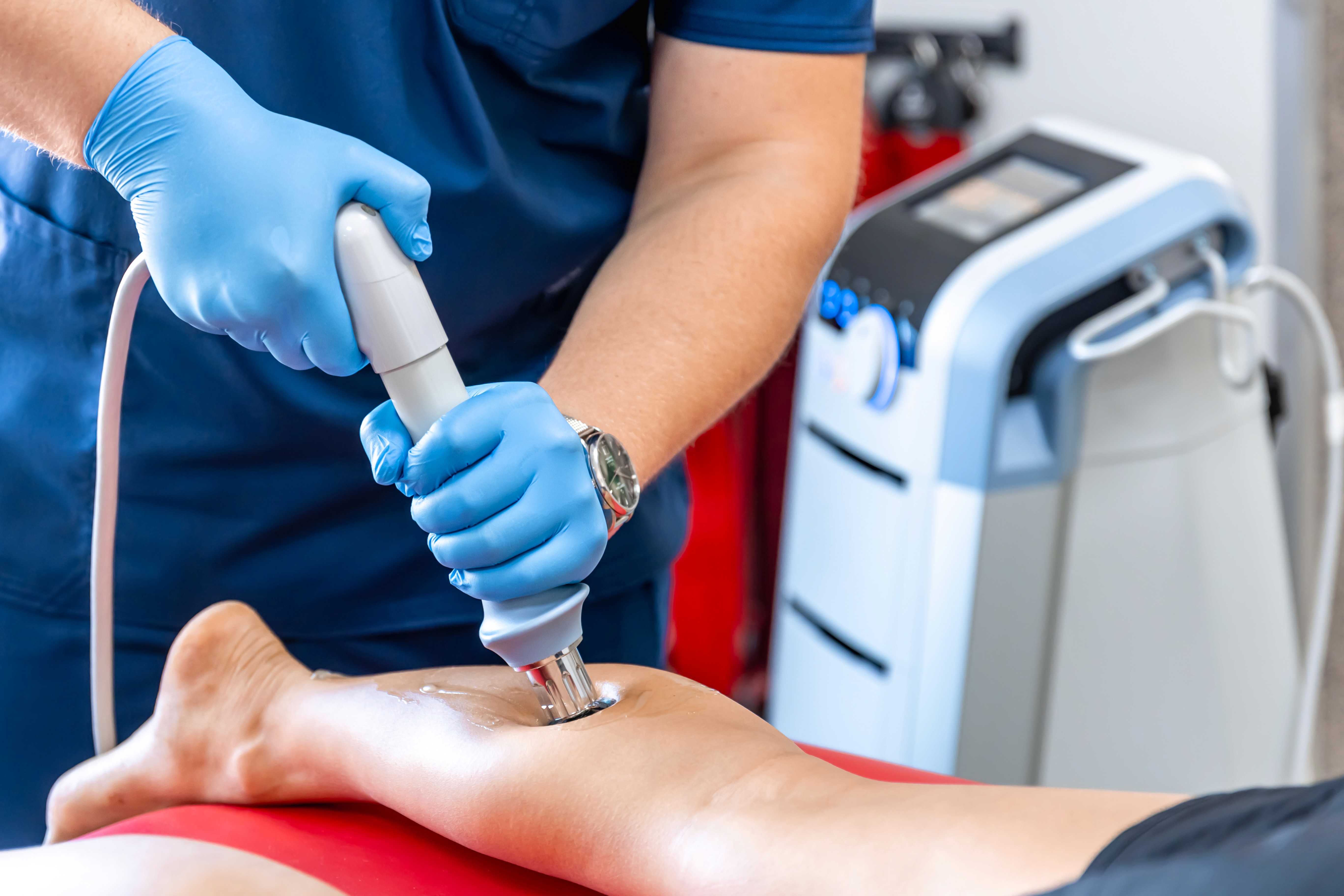
Are you struggling with common sports injuries such as plantar fasciitis (heel pain), tennis elbow, or shin splints? If you’re seeking an effective, non-surgical treatment option, Shockwave Therapy may be the solution.
This guide explains how Shockwave Therapy costs are typically structured in Kuwait and helps you understand the value of choosing private treatment, including what factors can influence pricing and what to expect from your sessions.
Private Treatment & Competitive Pricing
At Revive, we operate on a self-pay basis. This model allows us to focus entirely on providing premium, unhurried care using the highest standard of technology, without the limitations or delays often associated with third-party approvals.
We offer transparent, competitive market rates for both single sessions and discounted treatment packages. We provide official stamped receipts for all payments for your personal records.
Need to know the session rates before you book?
Our team will be happy to share full details with you on WhatsApp—right away.
What Determines the Cost of Treatment?
Not all physiotherapy sessions are priced the same because the technology used varies significantly. When evaluating quotes from different clinics, it is important to check the following factors:
Technology Type | Treatment Depth | Pricing Category |
Radial Shockwave | Superficial (Muscles) | Standard / Most Affordable |
Focused Shockwave | Deep (Tendons/Bones) | Advanced / Premium |
At Revive, we use medical-grade, CE-marked devices (such as Storz Medical) to ensure safety and effectiveness. This technology is widely used to treat chronic pain without the need for invasive procedures.
What Are You Actually Paying For?
When you book a session, you are paying for a non-invasive technology that restarts your body's natural healing process. Historically used for breaking down kidney stones, this technology delivers high-energy sound waves (approx. 2000 pulses) to the area where there is pain.
This process offers high value by helping you avoid expensive surgeries or long-term medication by:
Increasing blood flow and metabolic activity in the area.
Creating an analgesic effect (pain relief).
Stimulating repair and regeneration, putting cells back into "repair mode."
What Happens During a Session?
Some patients ask: Is it scary? The answer is no. Here is the step-by-step process:
Assessment: We find the area where there is the most pain.
Marking: We draw on the spot where we will deliver the sound pulses.
Application: We apply ultrasound gel to the area.
Treatment: We deliver the pulses. You might feel an "odd sensation" or it might feel "a little strange," but it is generally not painful.
Note on Discomfort: If there is pain, we simply decrease the pressure and make it up over the sessions. As your body gets used to it, we increase the energy.
Frequently Asked Questions
How many sessions will I need?
Most patients require between 3 to 5 sessions (sometimes up to 6). We usually start with 3 sessions to see changes in pain levels. With a success rate of up to 90%, this 4-6 session window can make a huge difference. Consistency in sessions is key to getting these results.
Is it safe?
Shockwave therapy is approved by the National Institute for Health and Care Excellence (NICE). Potential side effects are minor (a little pain or very rare bruising), which can be managed by using some ice.
Does it work in isolation?
Unfortunately, no. Shockwave therapy works best when combined with a complete program. For tendinopathies, strengthening is massively important. For plantar fasciitis, we look at stretching and addressing biomechanical issues.
Ready to restart your healing process?
If you want to get back to work, hobbies, or sports pain-free, contact us to book your first assessment.
Or explore comprehensive rehabilitation at Revive.