Learn
Wet vs Dry Cupping: Which One Actually Works?
Apr 5, 2026
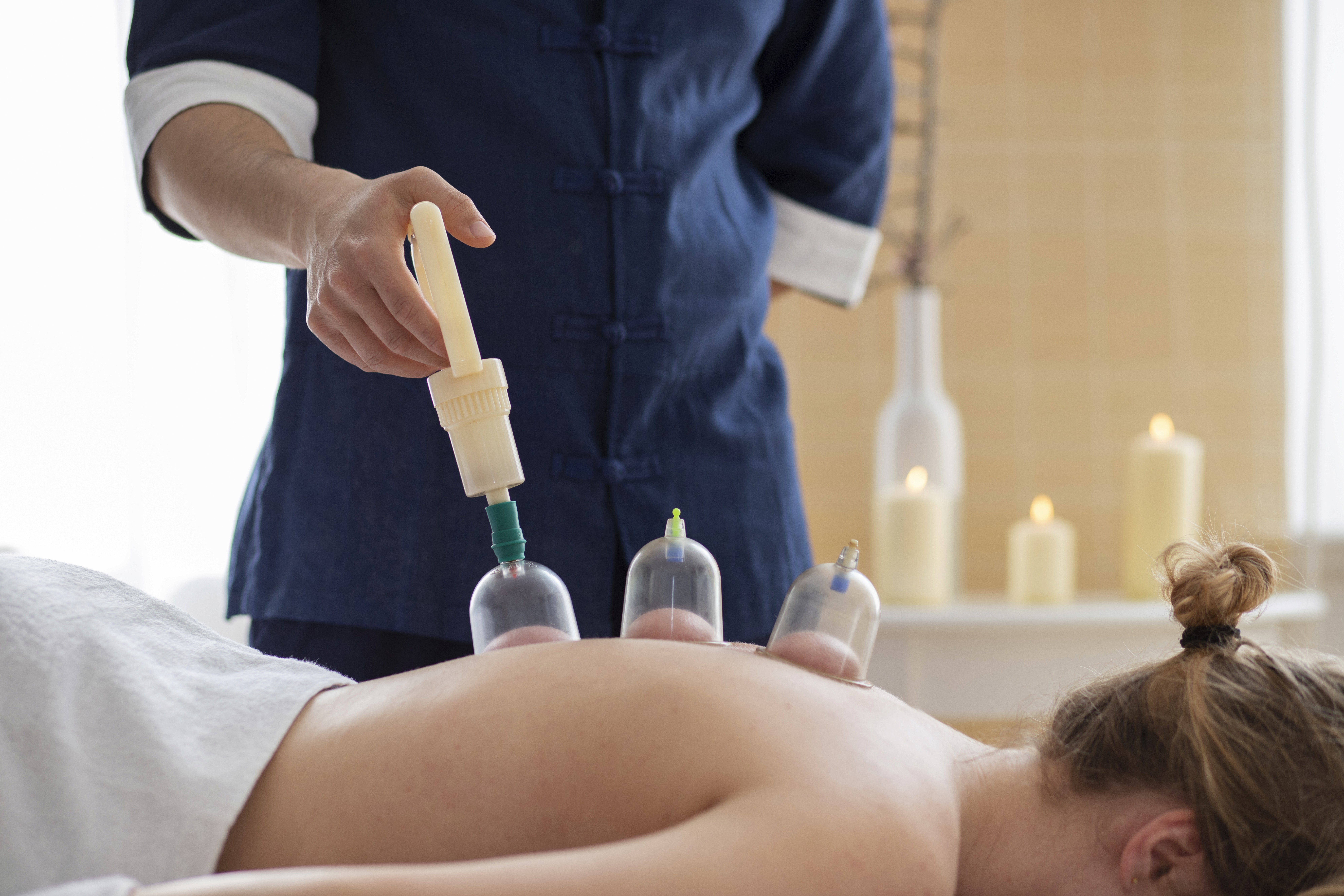
You’ve probably seen those round marks on someone’s back and thought—what exactly is going on there?
That’s Cupping therapy. And no, it’s not some new fitness trend. It’s been around for a long time, just repackaged and pushed into gyms and recovery routines.
At its core, cupping is simple. You place cups on the skin, create suction, and that suction pulls the tissue upward. Sounds basic—and it is. But the idea behind it is where things get interesting.
👉 If you're looking for structured recovery instead of trial-and-error, start with a trusted rehab and recovery clinic that actually builds a plan around your condition.
What Is Cupping Therapy and How Does It Work?
The claim is that suction separates layers under your skin—mainly the fascia and muscle. When those layers get tight or “stuck,” movement feels restricted.
So, the theory goes: loosen them, and things start working better.
That’s the pitch.
Once that space opens up, blood flow increases. And with that, your body can move nutrients—proteins, minerals, and other repair elements—more efficiently to the area.
In theory, that helps with:
Flexibility
Recovery
Minor injuries
But let’s be honest—this isn’t magic. It’s just another recovery tool. Useful in some cases, overrated in others.
If you’re already dealing with recurring pain, you should stop guessing and look at why back pain keeps returning—because cupping alone won’t fix root causes.
Why Do Athletes Use Cupping Therapy for Recovery?
You’ll see this a lot in people who train hard—weightlifters, swimmers, anyone pushing their body almost daily.
Why?
Because constant training builds:
Fatigue
Micro-tears
Lactic acid buildup
Small tissue damage over time
Cupping gets used as a way to manage that load—not fix everything.
Physiotherapists use it too, though usually as part of a broader treatment plan, not as a standalone solution. That distinction matters.
If you’re unsure whether you even need treatment, read signs you need physiotherapy before blindly trying recovery tools.
How Does Cupping Therapy Work? Step-by-Step Process
Forget the fancy explanations—it’s a straightforward setup.
Steps:
Place the cup on muscle (not bone)
Use a suction pump to pull the skin upward
Adjust intensity:
Light
Medium
Strong
That’s it.
Important: More suction is not always better. People often overdo it.
Once applied, leave the cups on for 15–20 minutes.
If your skin turns very dark, remove it immediately. That’s your body signaling stress.
Where Can You Apply Cupping Therapy on the Body?
Pretty much anywhere with enough muscle:
Neck
Lower back
Shoulders
Legs (around the knee, not directly on it)
Chest
But placement isn’t random. If you don’t understand anatomy, you’re guessing—and guessing with your body isn’t smart.
If you’re dealing with posture-related tightness, it’s better to understand modern posture related issues instead of masking it with cupping.
How Often Should You Do It?
Regular use: Every 2–3 days (for active individuals or soreness)
If strong skin reaction: Every 4–5 days
Again, don’t follow rules blindly. Your body isn’t a template.
Wet vs Dry Cupping: The Real Difference
The version described so far? That’s dry cupping.
No cuts
No blood
Just suction
Wet cupping, on the other hand, involves:
Small skin incisions
Followed by suction to draw out blood
Key Difference
Type | Characteristics |
Dry cupping | Safer, simpler, easier to manage |
Wet cupping | Higher risk, requires hygiene, not for casual use |
If you’re thinking of doing this at home, wet cupping is not your game. Don’t play doctor.
Is Cupping Therapy Effective or Worth It?
Let’s cut through the noise.
Cupping can help with:
Temporary relief
Muscle tightness
Recovery between workouts
But it does not:
Fix poor training
Replace proper rehab
Solve chronic injuries on its own
If your basics are weak—sleep, nutrition, training form—this won’t save you.
It’s a support tool. Nothing more.
If you’re serious about recovery, stop experimenting randomly and explore expert physiotherapy treatments that address root causes.
Or, if you want a full understanding of recovery, start from a trusted rehab and recovery clinic and build from there.
👉 If you actually want results, not guesswork explore expert physiotherapy treatments that address root causes instead of symptoms.