Pro Tips
Game Ready Therapy: The Advanced Recovery System Explained
Feb 27, 2026
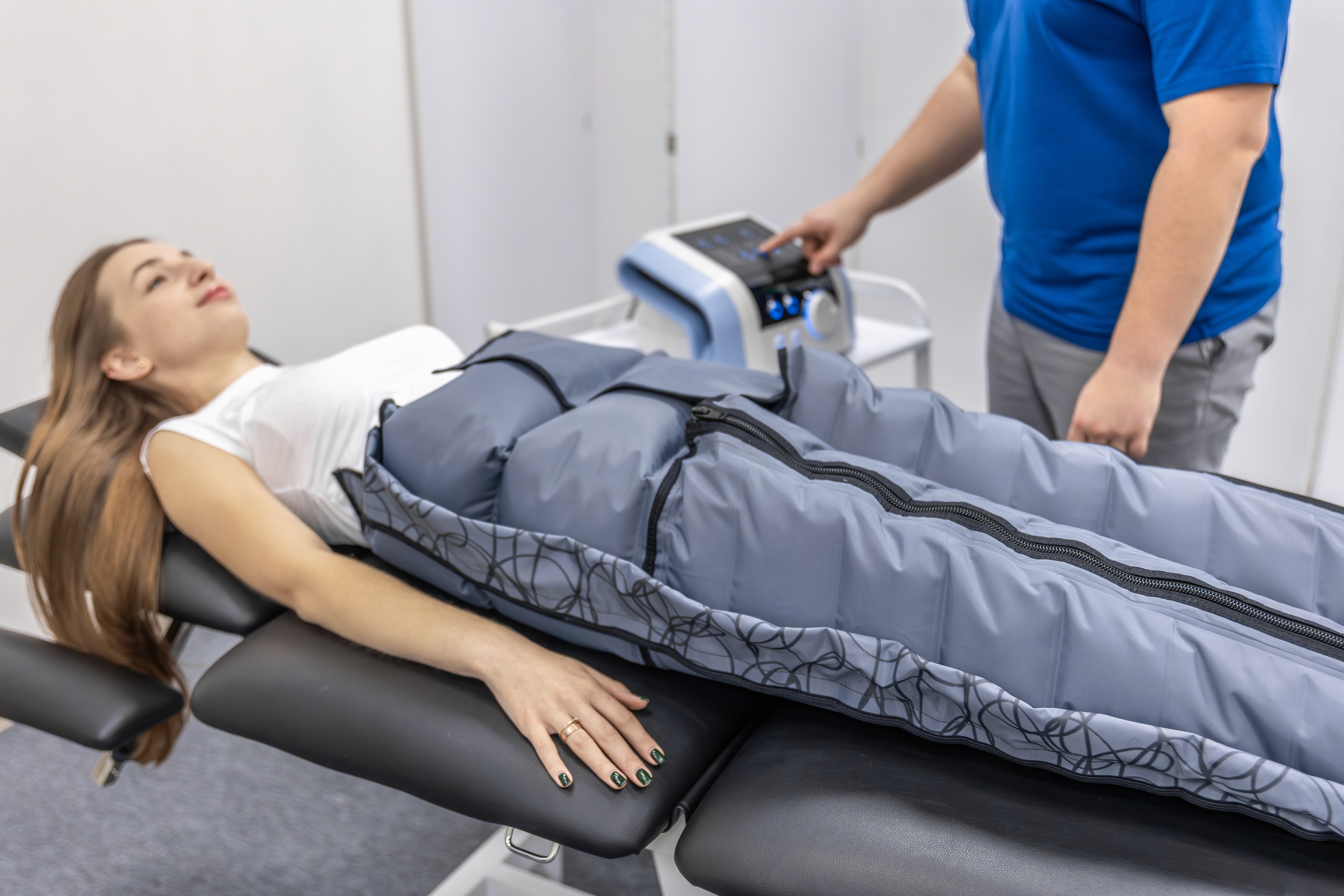
After an injury or surgery, there’s usually one frustrating stage: swelling that just won’t settle. The knee feels tight. The ankle looks puffy. Movement feels heavy.
That’s when many patients ask us about Game Ready therapy in Kuwait. They’ve heard athletes use it. They’ve seen it online. But what is it really? And does it actually help?
Let’s talk about it in simple terms.
What Is Game Ready Therapy, Really?
At its core, Game Ready is an advanced cold compression therapy machine. But that description alone doesn’t explain why people feel such a difference with it.
Most of us are familiar with ice packs. You wrap one in a towel, place it on the swollen area, and wait. It cools the surface, sometimes too much, sometimes unevenly.
Game Ready works differently. It gently circulates cold water through a wrap that fits around the joint — whether that’s a knee, shoulder, or ankle — while applying controlled compression at the same time.
That combination is important.
Cold helps calm irritated tissues. Compression helps limit excess fluid buildup. Together, they support recovery in a more balanced way.
Many people search for a Game Ready machine for knee swelling, especially after ACL surgery or sports injuries. That’s because the knee is one of the joints that responds particularly well to controlled cold and compression.
Why Not Just Use Ice?
This is probably the most common question.
Traditional ice:
Cools the skin surface
Doesn’t manage pressure
Can feel too cold after a few minutes
Game Ready:
Maintains a consistent temperature
Applies adjustable compression
Wraps around the joint evenly
Feels firm but comfortable
When we compare cold compression therapy for sports injuries to ice alone, the main difference is control. With a system like this, we’re not guessing. We’re applying measured cold and pressure in a way that supports tissue recovery.
That’s why it’s often described as an advanced recovery system for athletes — though you definitely don’t need to be an athlete to benefit from it.
What Are the Real Game Ready Therapy Benefits?
Let’s keep expectations realistic. No machine “heals” tissue instantly. Your body does the healing.
But Game Ready therapy benefits often include:
Reduced swelling in the early recovery stage
Less discomfort compared to traditional icing
Better tolerance after surgery
Support during post-surgery cold compression therapy
Improved comfort before starting gentle rehab exercises
For patients dealing with cold compression therapy for swelling and pain, especially after procedures or ligament injuries, that early swelling control can make movement feel safer.
How Physiotherapists Use It (Not Just Plug and Play)
One important thing to understand: this isn’t a self-service machine.
Before using any form of cold compression therapy in Kuwait, a physiotherapist will assess:
The type of injury
Circulation and skin condition
Surgical history
Sensitivity to cold
Some conditions respond better to heat. Some chronic stiffness doesn’t need cold at all. That’s why assessment always comes first.
Typically, a session involves:
Fitting the wrap properly around the joint
Setting safe temperature and compression levels
Monitoring comfort during the session
Following up with appropriate movement or rehab exercises
It’s part of a broader personalized rehabilitation plan, not a replacement for one.
⚠️ If you have circulation disorders, diabetes, or nerve sensitivity, always consult a licensed physiotherapist before using cold compression systems.
Is It the Same as Cryotherapy?
Not exactly.
Full-body cryotherapy chambers are different. Game Ready is a form of cryotherapy compression therapy, but localized and controlled. It targets specific joints instead of exposing the whole body to extreme cold.
The goal isn’t shock — it’s steady, therapeutic cooling combined with pressure.
Frequently Asked Questions
Is Game Ready therapy painful?
Most patients describe it as firm and cool, but comfortable. The compression is adjustable.
How long does a session last?
It depends on your condition. Short, supervised sessions are usually preferred over long, unsupervised icing.
Is it only for athletes?
No. While commonly used in sports medicine, it’s equally helpful for post-operative recovery and joint swelling.
Can it replace physiotherapy?
No. It helps manage inflammation, but exercises and movement restore strength and function.
Is Game Ready therapy available in Kuwait?
Yes. Several modern physiotherapy clinics now offer Game Ready therapy in Kuwait as part of structured recovery programs.
When Is It Most Helpful?
Game Ready therapy is usually most effective during:
Early-stage swelling
Acute sports injuries
Post-surgical recovery phases
Flare-ups with visible inflammation
If pain is chronic without swelling, other approaches may be more appropriate.
Conclusion: Technology Works Best With Guidance
Game Ready therapy isn’t magic — but it is smart technology when used correctly. It brings precision to something we’ve all done casually at home: icing an injury.
When applied at the right time, with the right pressure, under professional supervision, it can make the early recovery stage smoother and more comfortable.
If you’re dealing with swelling after injury or surgery, the safest next step isn’t guessing — it’s getting assessed. From there, we can decide whether advanced cold compression fits into your recovery plan.
Disclaimer
This article is for educational purposes only and does not replace professional medical advice. Individual responses to cold compression therapy may vary. Always consult a licensed physiotherapist before starting any treatment, especially after surgery or if you have underlying medical conditions.
References:
World Health Organization (WHO) – Musculoskeletal conditions
https://www.who.int/news-room/fact-sheets/detail/musculoskeletal-conditionsNHS (UK) – Sprains and Strains
https://www.nhs.uk/conditions/sprains-and-strains/NHS (UK) – Sports Injuries
https://www.nhs.uk/conditions/sports-injuries/Bleakley CM et al. The use of ice in the treatment of acute soft-tissue injury (PubMed)
https://pubmed.ncbi.nlm.nih.gov/18412549/Chartered Society of Physiotherapy (CSP) – Managing Pain
https://www.csp.org.uk/public-patient/keeping-active-and-healthy/managing-painWilk KE et al. The use of cryotherapy in the postoperative orthopedic patient (PubMed)
https://pubmed.ncbi.nlm.nih.gov/22234692/