Learn
Hot Packs vs. Cold Packs: When to Use Which (And When to See a Physio)
Dec 14, 2025
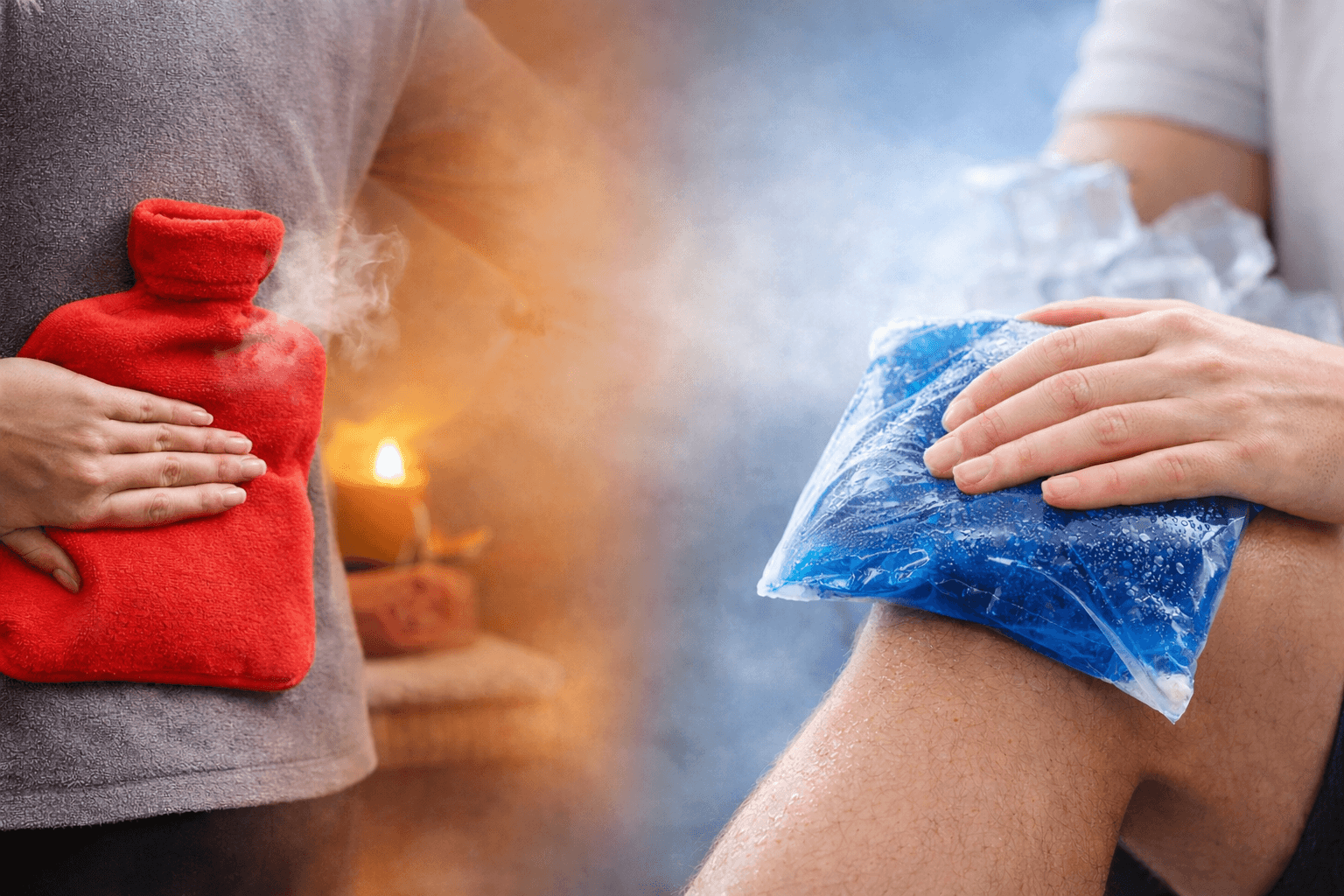
One of the most common confusions We get from people We treat is simple: "Should I use a hot pack or a cold pack?"
It sounds basic, but getting it wrong can actually delay your healing. The short answer is that hot helps circulation (bringing nutrients to the area), while cold suppresses circulation (reducing inflammation).
We use both ice and heat here at Revive Center to treat everything from arthritis to torn muscles. We even use them together in single treatments. But if you are managing this at home, you need to follow the 72-Hour Rule.
In Pain? Don't Guess.
If you aren't sure if your injury is acute or chronic, applying the wrong therapy can make it worse. Let our specialists assess your injury today.
The Golden Rule: The 72-Hour Check
Knowing when to switch strategies is the difficult part. Here is the general rule of thumb we tell our patients:
Use COLD (Cryotherapy): For Acute Pain. This is when the injury is fresh—less than 72 hours old.
Use HEAT: For Chronic Pain. This is when the pain has lingered for more than 72 hours.
1. Cold Therapy: For Fresh Injuries & Inflammation
Cold therapy works by reducing blood circulation to the area. This significantly helps reduce inflammation, especially around injured muscles, tendons, or joints. It also temporarily reduces nerve activity, which numbs the area and relieves pain.
How to Do It Safely
You can use ice packs, coolant sprays, or ice baths. However, there are rules to avoid damaging your skin:
Never directly on skin: If your ice pack is frozen hard, wrap it in a nylon or cotton cloth first.
15 Minutes Max: Do not apply ice for more than 15 minutes at a time. Longer than that can cause muscle or nerve damage.
Elevate: For the best results, elevate the injured area so gravity can help reduce the swelling while the ice works.
2. Heat Therapy: For Stiffness & Healing
Heat does the opposite—it improves the circulation of blood and nutrients by increasing the temperature. Even a slight rise in temperature can soothe discomfort, relax muscles, and help heal damaged tissues.
The Revive Difference: Why Home Heat Isn't Always Enough
At home, you generally have two options: Dry Heat (heating pads) or Moist Heat (steam towels, hot baths). Moist heat is usually more effective and works faster.
However, in physiotherapy, we can go deeper. We utilize Ultrasound therapy—an electrotherapy device that sends waves deep into your tissues.
Unlike a hot pack that just warms your skin, ultrasound penetrates to provide heat therapy to the deep tissues that you can't reach at home. This is often why stubborn chronic pain won't go away with just a heating pad.
Need Deeper Healing?
If home heating pads aren't fixing your stiffness, you may need deep-tissue Ultrasound therapy. This is only available in-clinic.
View Our Physiotherapy Treatments
When to Use Heat
Heat should be used for 15 to 20 minutes, up to a maximum of 30 minutes. Never go longer than 30 minutes at a stretch, as this can cause burns or numb the area to the point of damage.
When NOT to Use Heat (Warning)
There are specific times when heat is dangerous. If you have any of the following, please stop and contact a professional:
Swelling or Bruising: Never heat a swollen area. Use cold instead.
Open Wounds: Heat should not be applied to open skin.
Diabetic Neuropathy: People with pre-existing conditions like diabetic neuropathy should avoid heat or cold therapy at home. The risk of burns is much higher because you may not feel the temperature rising.
Summary
Use cold for the first 3 days (less than 72 hours). Use heat after that to get blood moving again.
However, if you are dealing with a pre-existing condition, or if the pain hasn't subsided after trying these methods, you need a professional assessment to rule out nerve or tissue damage.
Ready to get back to full movement? Contact Revive Center Kuwait today.