Pro Tips
Learn
Osteoporosis and Exercise: Building Strength Without Putting Bones at Unnecessary Risk
Nov 3, 2026
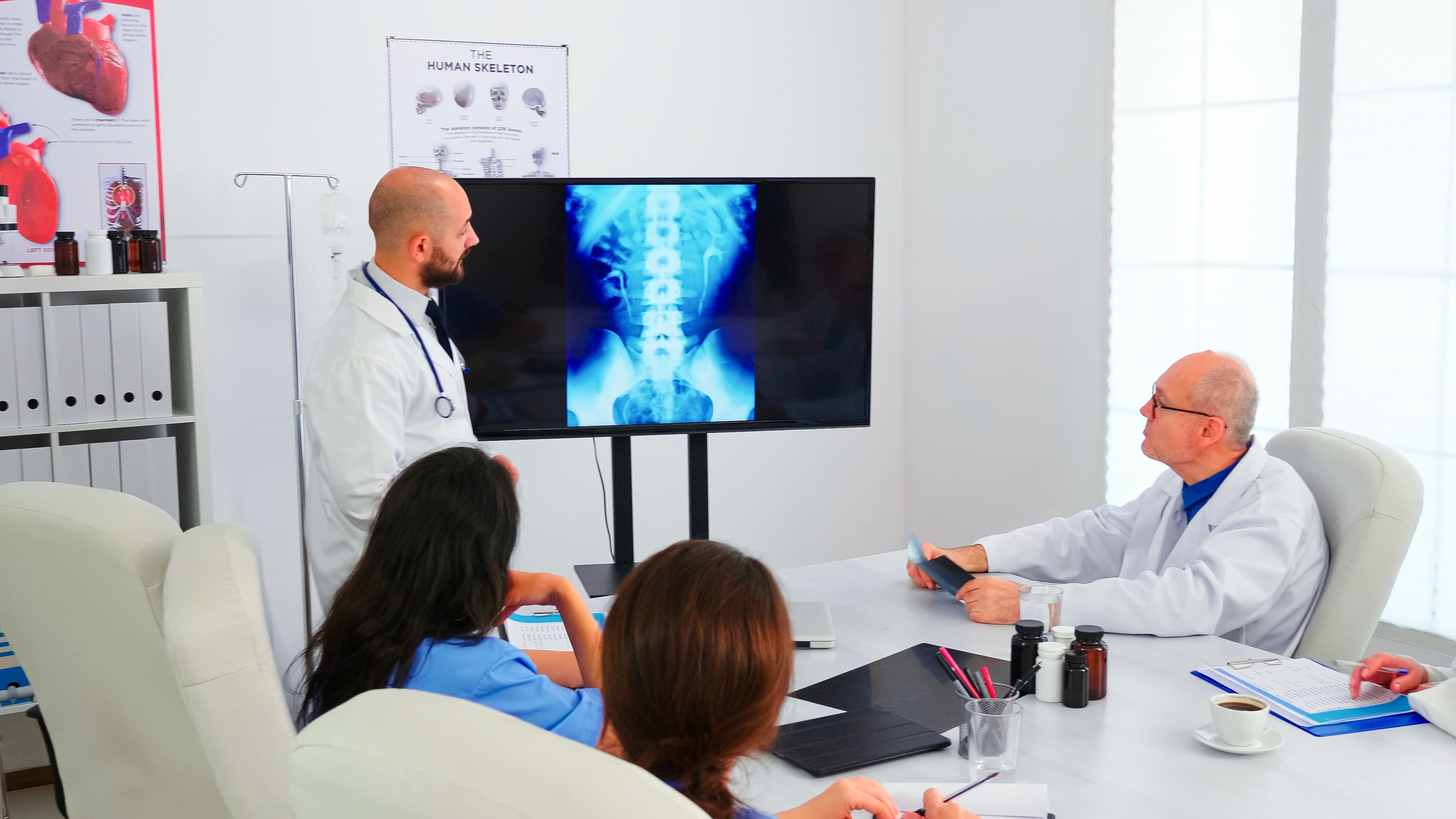
Being told that your bones are weaker than normal can make movement suddenly feel dangerous. People may stop lifting shopping bags, avoid the gym or become afraid of bending and exercising altogether. That reaction is understandable, but excessive avoidance has consequences of its own. With appropriate guidance, physical activity can be an important part of living with osteoporosis.
What is osteoporosis?
Osteoporosis is a condition in which bone strength is reduced, increasing susceptibility to fragility fractures. The World Health Organization identifies osteoporosis, falls, physical inactivity and other factors as important contributors to fragility-fracture risk. Exercise cannot replace osteoporosis medication when medication is medically indicated, but it can address important parts of the broader picture, including muscle strength, balance, physical function and bone loading.
Bones respond to load
Bone is living tissue. Mechanical forces from weight-bearing and resistance exercise provide stimuli that help maintain bone strength, while muscles need regular challenge to remain strong enough for everyday tasks. The Royal Osteoporosis Society recommends a combination of impact and strength exercise for bone health where appropriate, together with balance exercise to reduce fall risk. The important phrase is 'where appropriate': someone with established spinal fractures needs a different programme from a healthy adult who has recently been told they have low bone density.
Strength training is not automatically dangerous
Poorly selected loading can be inappropriate, particularly for someone at high fracture risk, but avoiding resistance altogether can contribute to further muscle weakness. Strength training may begin with body weight, bands, machines or free weights depending on ability and medical history. The goal is progressive challenge with sound technique, not proving how much someone can lift.
Balance deserves equal attention
A stronger bone is useful, but avoiding the fall that might fracture it is equally important. Balance rehabilitation can include controlled sit-to-stands, heel raises, progressively narrower standing positions and other challenges selected according to the person's stability. Revive's article on why people feel off balance while walking provides useful background on the many systems involved in balance and why assessment is important when unsteadiness persists.
What about previous fractures?
A history of fragility fracture changes the clinical picture. Revive already has a guide on physiotherapy after a fracture, which focuses on rebuilding mobility and strength once medical healing allows. For someone with osteoporosis, rehabilitation also needs to consider prevention of future falls and fractures rather than only recovering the injured area.
Exercise is only one part of osteoporosis management
Bone health is medical as well as physical. Depending on the person, care may include assessment of fracture risk, medication, calcium and vitamin-D considerations, nutrition, smoking or alcohol advice and management of other conditions. Exercise should sit alongside appropriate medical care rather than replacing it. The physiotherapy services at Revive may support strength, mobility and balance goals, but medication and bone-density decisions belong with the relevant medical team.
Who should seek tailored advice first?
Speak to a doctor or physiotherapist before starting a new programme if you have experienced multiple fragility fractures, vertebral fractures, a recent fracture, substantial balance problems or significant uncertainty about what is safe. The Royal Osteoporosis Society specifically advises individual guidance in higher-risk situations.
The practical takeaway
Osteoporosis should encourage smarter movement, not automatic inactivity. A well-designed programme can work on strength, balance, confidence and the ability to continue ordinary life while respecting individual fracture risk.
Related Revive resources
• Balance Problems and Physiotherapy
• Physiotherapy After a Fracture
Sources
• World Health Organization - Fragility fractures
• Royal Osteoporosis Society - Exercise for bones
• Royal Osteoporosis Society - How to exercise safely for bones
Medical disclaimer: This article is for general informational and educational purposes only. It does not provide a diagnosis or personalised treatment plan and does not replace advice, examination or treatment from a qualified doctor, physiotherapist or other healthcare professional. Seek appropriate medical attention for severe, rapidly worsening, traumatic, neurological or otherwise concerning symptoms.