Learn
Axial Spondyloarthritis: Why Movement Is Part of Treatment, Not Just Symptom Relief
Nov 5, 2026
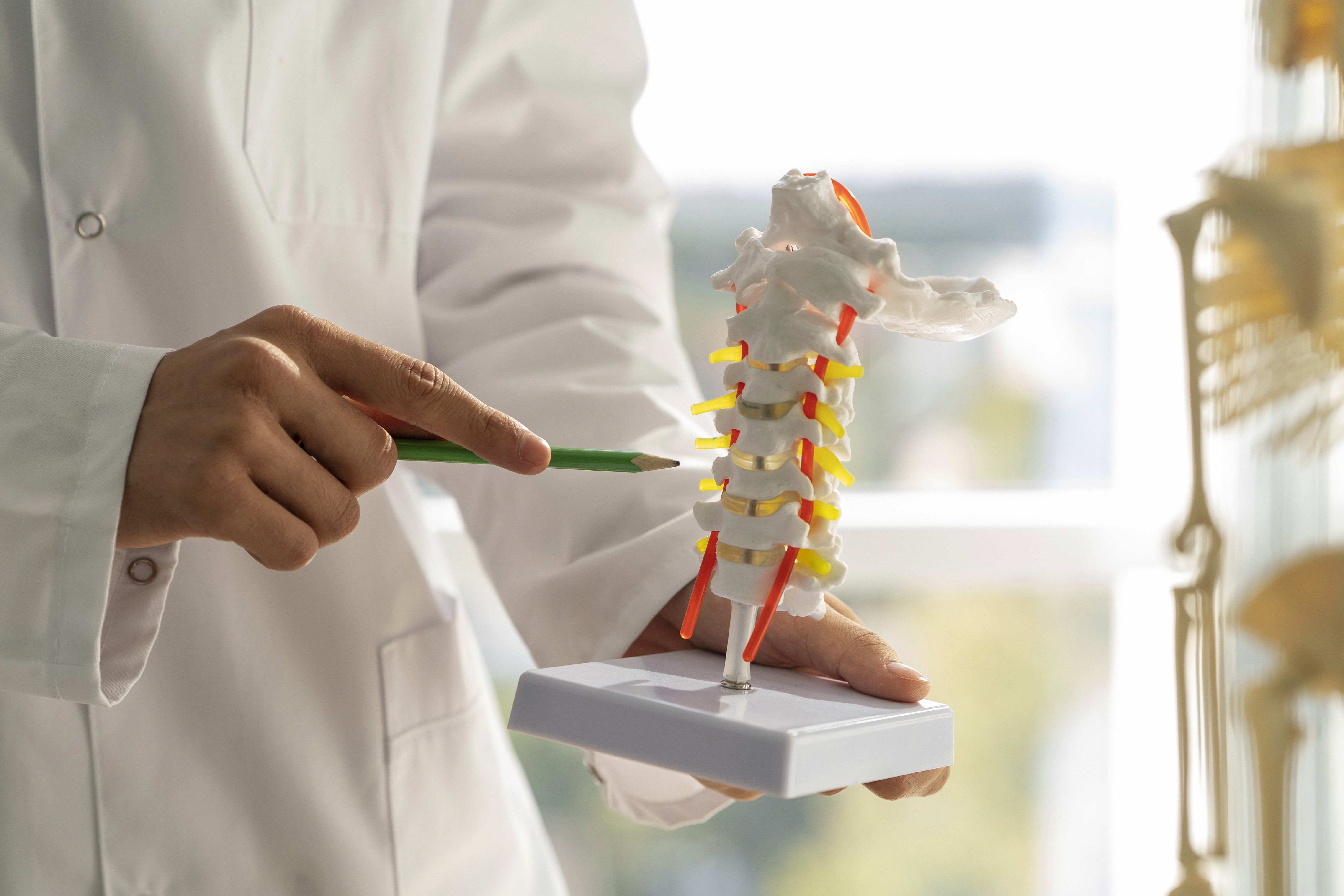
Most everyday back pain behaves mechanically: it may follow lifting, prolonged sitting or a change in activity. Axial spondyloarthritis, often shortened to axSpA, is different. It is an inflammatory condition. Recognising that distinction matters because physiotherapy works alongside medical treatment rather than replacing it.
What is axial spondyloarthritis?
Axial spondyloarthritis is a form of inflammatory arthritis that mainly affects the spine and sacroiliac joints. Ankylosing spondylitis is one form within this spectrum. Symptoms can include persistent back pain and stiffness, often beginning in younger adulthood. Some people notice prolonged morning stiffness or symptoms that improve with movement rather than rest. Those features are not sufficient for self-diagnosis; persistent back pain has many causes and requires appropriate assessment.
Why is physiotherapy different here?
If inflammation is driving part of the condition, simply 'fixing posture' or massaging tight muscles misses the point. Medication may be needed to control disease activity, while physical rehabilitation helps maintain movement, strength, fitness and function. NICE recommends referral to a specialist physiotherapist for people with axial spondyloarthritis, with an individualised programme that can include stretching, strengthening, postural exercise, deep breathing, spinal extension, range-of-motion work and aerobic exercise.
Why does regular movement matter?
Pain can make people move less, but prolonged inactivity can make stiffness and deconditioning more troublesome. Regular mobility work helps preserve useful spinal movement. Strength training supports day-to-day tasks, and aerobic exercise supports general health. The programme still needs to reflect disease activity and current ability; 'do more exercise' is not a sufficient prescription.
Posture is only one part of the picture
Revive already has detailed content on posture and physiotherapy, but axial spondyloarthritis should not be reduced to a posture problem. The rehabilitation goal is maintaining options: being able to extend, rotate, walk upright, breathe comfortably and move through useful ranges rather than holding one supposedly perfect position all day.
Breathing exercises have a purpose
The rib cage and thoracic spine contribute to breathing mechanics, which is why axSpA exercise programmes can include deep-breathing work alongside spinal mobility. This is different from claiming breathing exercises treat the underlying inflammation. Revive's article on breathing patterns and neck/shoulder tension can provide general context about breathing mechanics, but axSpA-specific care should follow rheumatology and physiotherapy guidance.
Physiotherapy does not replace rheumatology care
This point is essential. Axial spondyloarthritis can affect more than muscles and joints, and medical treatments can be important for controlling inflammatory disease activity. A patient should not stop prescribed medication because exercise makes symptoms feel better, nor should worsening symptoms simply be treated as a 'tight back'. Revive's guide on rheumatoid arthritis and physical therapy reinforces the broader principle that exercise and medical management often need to work together in inflammatory arthritis.
When should inflammatory back pain be discussed with a doctor?
Persistent back pain beginning at a relatively young age, particularly when associated with prolonged morning stiffness, inflammatory symptoms or other concerning features, deserves medical assessment. People with an established diagnosis should report major changes in symptoms or suspected fractures rather than automatically treating every flare themselves.
A sustainable routine matters
The most useful programme is usually one that can be repeated over months and adjusted during flares, travel or busy periods. Short mobility sessions, regular strength work and aerobic activity can be organised around the person’s symptoms rather than saved for the occasional 'good day'. Consistency also gives the physiotherapist useful feedback about which movements are helping and which need to be modified.
The practical takeaway
For axial spondyloarthritis, movement is not merely something to return to once the disease is 'gone'. Appropriate movement is an ongoing part of management, alongside medical treatment, to preserve mobility, strength, fitness and participation in life.
Related Revive resources
• Rheumatoid Arthritis Treatment Guide
• Breathing Dysfunction and Physiotherapy
Sources
• NICE - Spondyloarthritis in over 16s: diagnosis and management (NG65)
• NHS - Ankylosing spondylitis: treatment
Medical disclaimer: This article is for general informational and educational purposes only. It does not provide a diagnosis or personalised treatment plan and does not replace advice, examination or treatment from a qualified doctor, physiotherapist or other healthcare professional. Seek appropriate medical attention for severe, rapidly worsening, traumatic, neurological or otherwise concerning symptoms.