Pro Tips
Learn
Post–Slip Disc Rehabilitation: A Complete Physiotherapy Recovery Plan
Apr 19, 2026
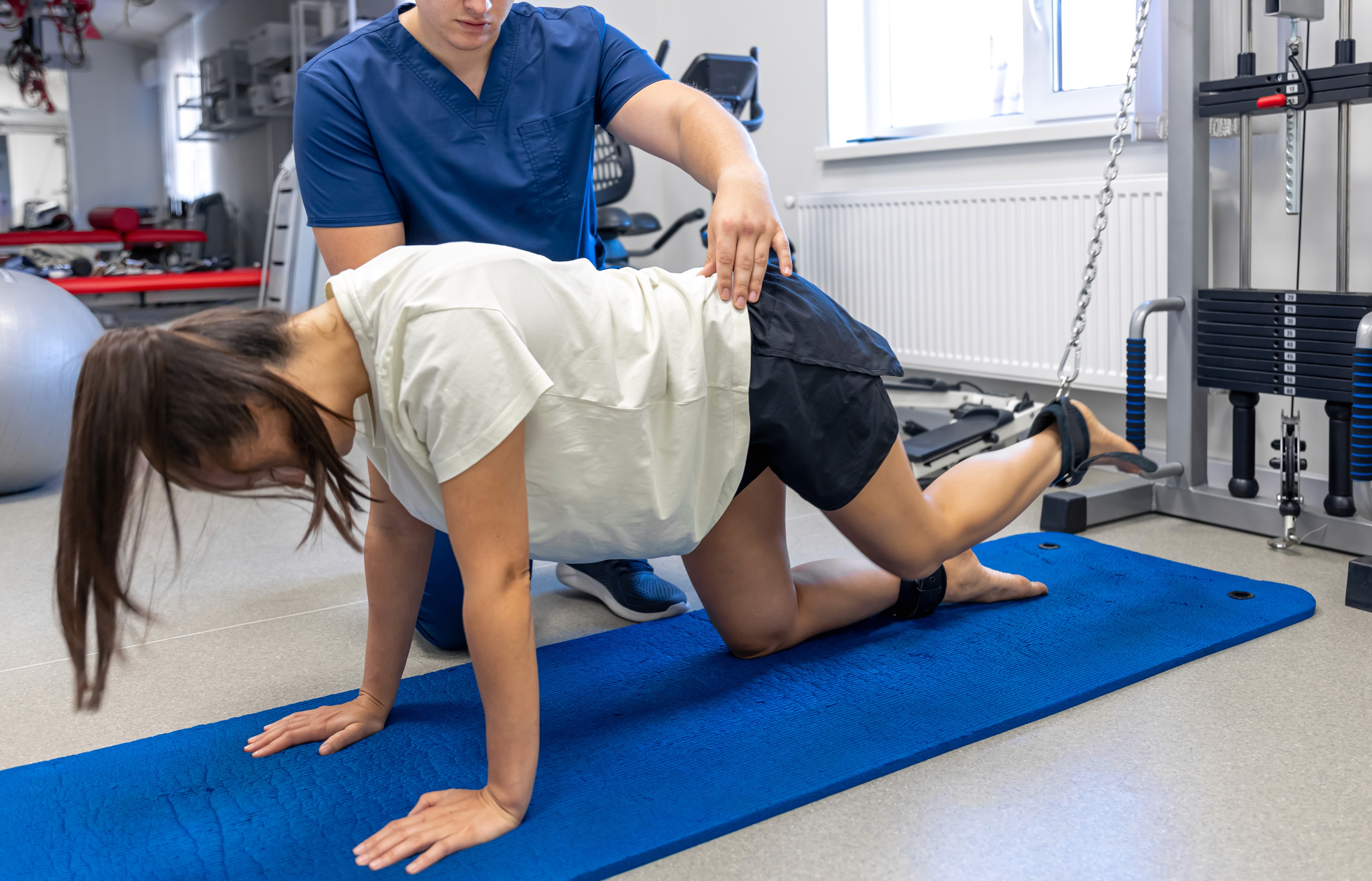
When someone hears “slip disc,” the first reaction is usually panic. I’ve seen that face many times in clinic. Some people immediately think surgery is waiting around the corner. Others just freeze and stop moving altogether.
But honestly… most cases don’t go that direction.
In real practice of slip disc physiotherapy treatment in Kuwait, what we see more often is not a “damaged forever” situation. It’s more like a sensitive spine that just needs structured recovery and time to settle again.
Still painful, yes.
Still scary sometimes, yes.
But not hopeless.
So what is actually happening in a slip disc?
Let’s keep this simple.
Between your spinal bones, there are soft cushions. When one of them bulges or shifts slightly, it can irritate a nearby nerve.
That’s when pain shows up. Sometimes in the back. Sometimes going down the leg. Sometimes just a weird tightness you can’t explain properly.
But here’s the part many people don’t hear early enough:
The disc is not always the main problem anymore after a few weeks.
The body around it becomes the bigger issue—muscles tightening, movement changing, fear building up.
That’s why back pain disc treatment physiotherapy Middle East approaches focus so much on movement, not just rest.
Why physiotherapy actually matters here
A lot of patients come in expecting complete rest will fix it.
And yes, resting helps in the beginning. When pain is sharp, your body needs calm.
But after that phase… staying still too long actually slows things down.
Because the spine doesn’t heal by being avoided.
It heals by being guided back into movement safely.
That’s basically the idea behind non surgical slip disc treatment physiotherapy.
Not forcing. Not pushing. Just rebuilding confidence in movement again.
What recovery usually feels like (and this is important)
People expect recovery to feel like a straight line. It’s not.
Some days feel better, then suddenly a small movement brings discomfort again, and the mind starts overthinking everything.
That part is very normal in lumbar disc recovery program Kuwait cases.
You might notice:
pain becoming less frequent
sitting becoming easier (slowly)
walking feeling more natural again
fear of movement reducing over time
It’s not dramatic. It’s gradual… sometimes frustratingly gradual.
But it moves.
How rehabilitation actually works in real life
Let me break it the way it usually happens in clinic, not textbook style.
1. First, we calm everything down
In early stages, we don’t push exercises.
We just try to reduce irritation:
gentle positions that reduce nerve pressure
light mobility, nothing aggressive
small posture changes that give relief
This phase is honestly about patience more than anything else.
2. Then we slowly bring movement back
This is where things start changing.
Very simple movements like:
pelvic tilts
supported stretching
controlled breathing with core engagement
It doesn’t look like “exercise” to most people. But it is the beginning of recovery.
This is where slipped disc rehabilitation exercises in Kuwait start becoming part of the plan.
3. Then comes rebuilding strength (the real work)
Once pain settles a bit, we focus on muscles that protect the spine.
Not heavy gym work. Just proper activation:
deep core
glutes
lower back stabilizers
Because without this, the spine keeps overworking itself.
4. Finally, we teach the body how to live normally again
This is the step most people underestimate.
How to sit without triggering pain.
How to bend without fear.
How to lift without hesitation.
This is where recovery actually becomes “real life again.”
A small truth most people realize later
Healing a slip disc is not about one perfect treatment session.
It’s about repetition.
Small movements done correctly… again and again.
That’s what actually changes things in herniated disc recovery physiotherapy plan UAE and Kuwait patients.
Not intensity. Consistency.
FAQs people usually ask in clinic
Will my slip disc go back to normal completely?
In many cases, yes, symptoms improve significantly with proper rehab. The body adapts and stabilizes over time.
Do I need surgery immediately?
Most people don’t. Physiotherapy is usually the first recommended step unless there are severe neurological signs.
Why does pain come and go?
Because nerves and tissues are sensitive during healing. It doesn’t mean damage is increasing.
Can walking help or make it worse?
Gentle walking is often helpful when guided properly. It keeps the spine moving without overload.
How long does recovery take?
It depends. Some improve in weeks, others take months. There is no fixed timeline.
Conclusion: recovery is not about rushing
If there’s one thing I wish every patient understood earlier, it’s this:
A slip disc doesn’t define your future movement.
It just changes how your body behaves for a while.
And with the right slip disc physiotherapy treatment in Kuwait, things usually improve—not instantly, but steadily.
The goal is not to “force recovery.”
It’s to rebuild trust in your body again.
Slowly, movement stops feeling dangerous. And that’s usually when real healing has already started.
Take the next step with Revive Center
At Revive Center Kuwait, we focus on real rehabilitation—not rushed recovery promises.
Every slip disc case is handled based on how your body actually responds, not a fixed routine.
If your back still feels uncertain or fragile, it usually just means the spine needs guided movement again.
Book your assessment and let’s start rebuilding that movement safely, step by step.
External Resources
NHS – Slipped Disc Overview
WHO – Musculoskeletal Conditions
https://www.who.int/news-room/fact-sheets/detail/musculoskeletal-conditions
PubMed – Lumbar Disc Herniation Recovery Studies
https://pubmed.ncbi.nlm.nih.gov/?term=lumbar+disc+herniation+rehabilitation&utm_source=chatgpt.comAPTA – Physical Therapy for Back Pain
https://www.choosept.com/guide/physical-therapy-guide-low-back-pain
Disclaimer
This content is for educational purposes only and not a substitute for professional medical advice. Please consult a licensed physiotherapist for proper assessment and treatment.