Learn
Pro Tips
Post-Cesarean Recovery: How Physiotherapy Supports Healing
Aug 13, 2026
Introduction
A C-section is common, but it is still major abdominal surgery. Many mothers are told to rest, avoid lifting, and wait six weeks. That advice matters, but it does not always explain what to do after that. How do you rebuild your core? What about scar tightness? Why does your back hurt while feeding? When can you return to exercise safely?
Physiotherapy after C-section can help bridge that gap between healing and feeling like yourself again.
What changes after a C-section
During recovery, the abdominal wall, pelvic floor, scar tissue, breathing pattern, posture, and daily movement habits all adapt. Feeding, carrying, interrupted sleep, and lifting the baby can add strain. Some mothers also feel disconnected from their core or nervous about moving.
These symptoms are not signs of weakness. They are normal reasons to get guidance. Recovery is easier when the plan respects both surgery and real life with a baby.
How physiotherapy can help
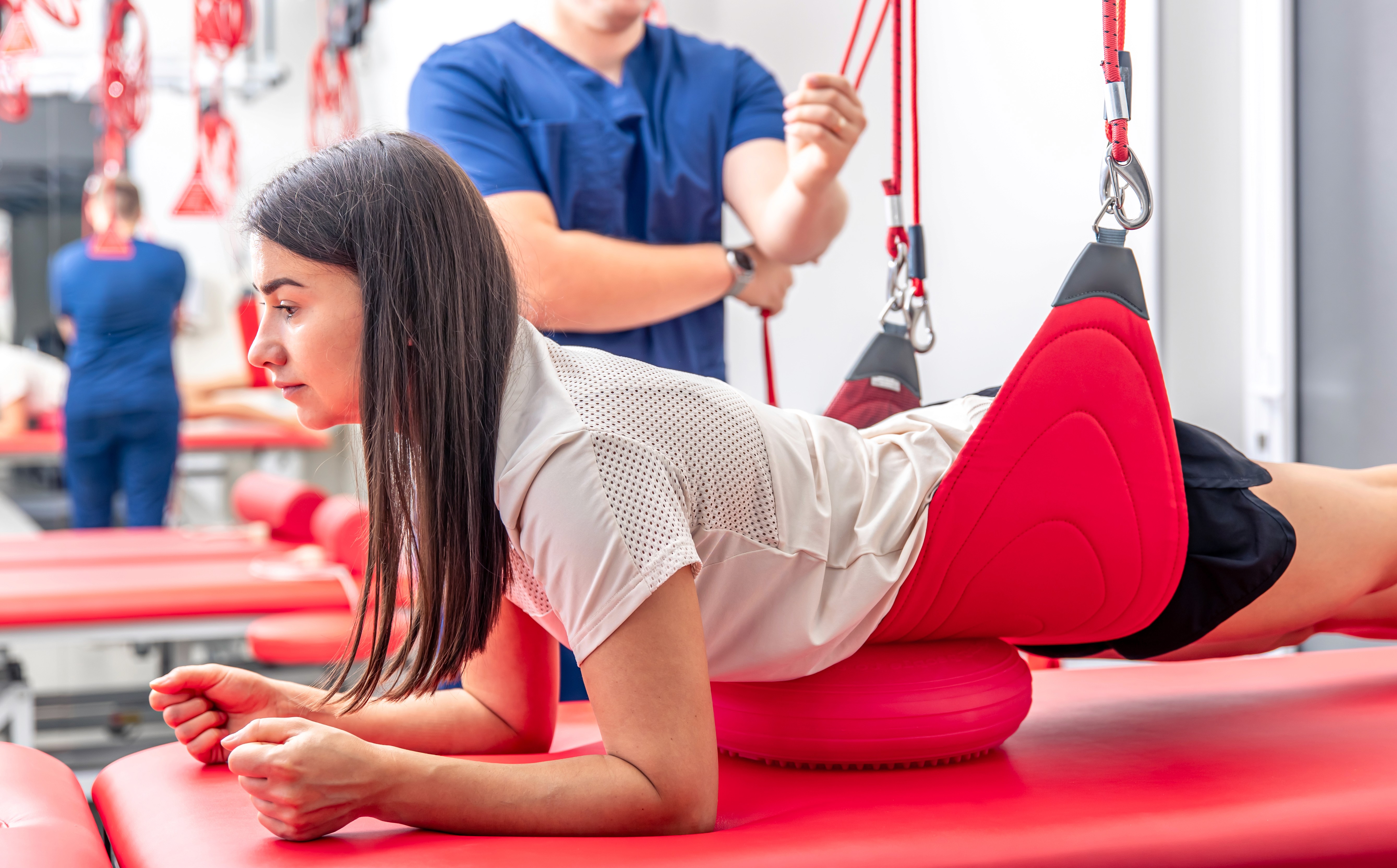
A physiotherapist may assess breathing, posture, gentle core activation, pelvic floor coordination, scar mobility once medically cleared, hip and back mobility, and return-to-exercise readiness. Treatment may include education, safe movement strategies, progressive strengthening, scar care guidance, and advice for feeding or lifting positions.
Revive's personalized physiotherapy plans are relevant because every birth and recovery is different. Some mothers may also prefer home physiotherapy in Kuwait during early recovery or when leaving home is difficult.
What not to rush
Do not rush planks, sit-ups, heavy lifting, or high-impact exercise just because the six-week check has passed. Clearance to resume activity does not always mean the body is ready for every activity. Look for signs such as pain, heaviness, leaking, doming through the abdomen, or scar pulling.
If stiffness or back tension is part of your recovery, Revive's guide on body stiffness causes can help explain why muscles often stay protective after surgery.
When to seek medical advice
Speak to a doctor promptly if you have fever, increasing redness around the scar, unusual discharge, severe pain, heavy bleeding, calf swelling, chest pain, shortness of breath, or sudden worsening symptoms. Physiotherapy supports recovery, but medical complications must be ruled out first.
Once healing is progressing normally, Revive's physiotherapy services can support a safe return to movement, confidence, and daily strength.
FAQs
Q: When can I start physiotherapy after a C-section?
A: Gentle advice can often start early, but hands-on scar work and progressive exercise should follow medical clearance and professional guidance.
Q: Can physiotherapy help C-section scar tightness?
A: Once the scar has healed, scar mobility work may help tightness and sensitivity.
Q: Is core training safe after C-section?
A: Yes, when it is gradual and appropriate. The right exercises depend on healing, symptoms, and strength level.
Disclaimer
This article is for educational purposes only and should not be treated as a diagnosis or a substitute for medical advice. Please review final clinical wording with a qualified physiotherapist before publishing.