Pro Tips
Best Cold Compression Treatment for Inflammation: A Physiotherapist’s Guide
Jan 18, 2026
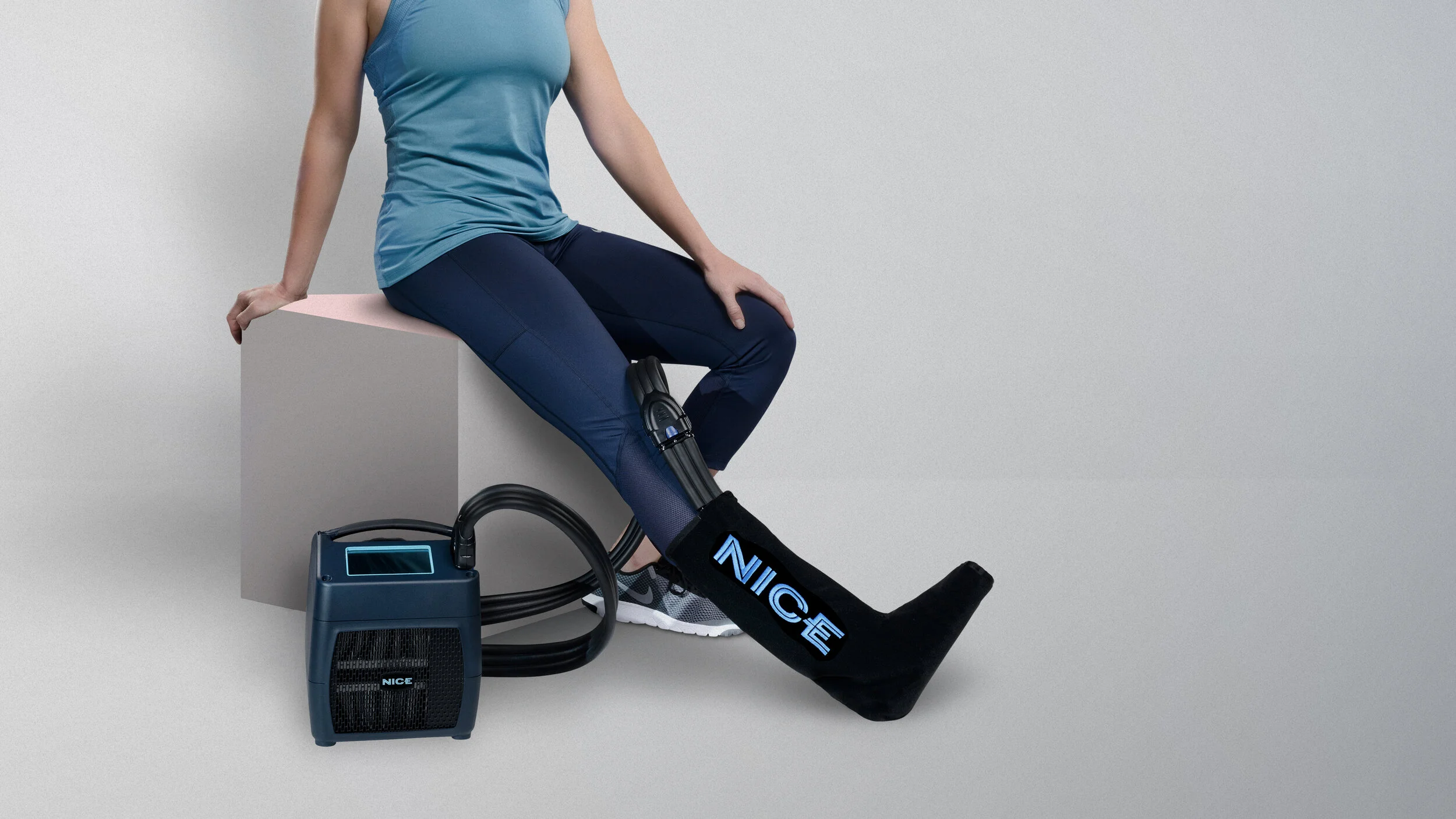
If you’ve ever twisted an ankle, woken up with a swollen knee, or felt that deep, uncomfortable heat around an injured joint, you already know how stubborn inflammation can be. Many patients we see in Kuwait ask the same thing: “Should I ice it?” or “Is cold compression actually better?”
This guide breaks down cold compression therapy for inflammation in a clear, human way — what it is, when it helps, and how physiotherapists actually use it in real life.
What Is Cold Compression Therapy, Really?
Let’s keep this simple.
Cold compression therapy is exactly what it sounds like: cold + gentle pressure working together. Cold helps calm irritated tissues, while compression controls swelling by preventing excess fluid from pooling around the injury.
Think of inflammation like traffic during rush hour. Ice alone slows things down a bit. Compression alone organizes the lanes. Together, they restore order faster.
Physiotherapists often use cold compression for:
Fresh sports injuries
Swollen knees or ankles
Post-exercise flare-ups
Early post-surgical swelling (under supervision)
This is very different from throwing a frozen pack straight on the skin and hoping for the best.
Why Physiotherapists Prefer Cold Compression Over Ice Alone
A lot of people still rely on ice packs wrapped in towels. They help — but they’re not always the best cold compression treatment.
Here’s why physiotherapists lean toward cold + compression:
Swelling reduces more evenly, not just on the surface
Pain settles faster, especially around joints
Less discomfort compared to direct ice
Better control over pressure and temperature
Supports earlier movement, which matters for recovery
This is also why modern clinics now use controlled systems like NICE compression, instead of basic ice packs.
Cold Compression vs Ice Therapy: What’s the Real Difference?
Patients ask this all the time, so let’s be honest about it.
Ice therapy
Easy to use
Works short-term
Can feel harsh or overly cold
Doesn’t manage swelling well on its own
Cold compression therapy
Combines cooling with pressure
Better for swelling and pain together
Feels more supportive
More commonly used in physiotherapy clinics
If swelling is part of the problem — and it usually is — cold compression tends to work better than ice alone.
How Physiotherapists Use Cold Compression (The Practical Way)
This is where things matter most. Cold compression isn’t about doing more — it’s about doing it right.
A physiotherapist will usually:
Assess the injury first
Not every pain needs cold. Some conditions actually respond better to heat.Choose the right level of compression
Too tight increases discomfort. Too loose does nothing.Limit the duration
More is not better. Short, controlled sessions work best.Watch skin and sensation
Any numbness, burning, or color change means it’s time to stop.Combine with rehab, not replace it
Cold compression reduces symptoms — it doesn’t fix movement issues on its own.
⚠️ Always consult a licensed physiotherapist before starting cold compression therapy, especially if you have diabetes, circulation issues, or nerve sensitivity.
Common Questions Patients Ask
“Is cold compression safe to do at home?”
Often yes — if you’ve been shown how. Guidance matters more than the device.
“How soon after injury should I use it?”
Cold compression works best in the early stages, when swelling is active.
“Can it help long-standing pain?”
It can help calm flare-ups, but chronic pain usually needs movement-based physiotherapy too.
“Is this available in Kuwait?”
Yes. Many clinics now offer cold compression therapy in Kuwait, especially for sports and orthopedic care.
“Does it replace physiotherapy exercises?”
No — it supports recovery, but movement restores function.
When Cold Compression Is Not the Best Choice
This part often gets ignored.
Cold compression may not be ideal if:
Pain is long-standing with no swelling
Stiffness improves with warmth
Circulation is compromised
Skin sensitivity is high
That’s why professional assessment matters. In physiotherapy, timing and context are everything.
Conclusion: Use Cold Compression Wisely, Not Randomly
Inflammation isn’t your enemy — it’s a signal. Cold compression therapy for inflammation works best when it’s used thoughtfully, at the right time, and for the right reason. Done correctly, it can reduce swelling, ease pain, and help you move sooner — not slower.
If swelling or pain keeps coming back, that’s your cue to stop guessing and speak to a physiotherapist. The right guidance saves time, discomfort, and frustration.
At Revive Physio Center, Kuwait, we believe recovery works best when treatment is tailored, not rushed. If you’re unsure whether cold compression or another approach is right for you, our licensed physiotherapists are here to help.
References
World Health Organization (WHO) – Musculoskeletal Conditions
https://www.who.int/news-room/fact-sheets/detail/musculoskeletal-conditionsNHS (UK) – Treating Sports Injuries and Soft Tissue Injuries
https://www.nhs.uk/conditions/sports-injuries/NHS (UK) – Sprains and Strains Treatment Guidance
https://www.nhs.uk/conditions/sprains-and-strains/PubMed – Cold Therapy and Inflammation in Musculoskeletal Injuries
https://pubmed.ncbi.nlm.nih.gov/18412549/Chartered Society of Physiotherapy (CSP) – Managing Pain and Swelling
https://www.csp.org.uk/public-patient/keeping-active-and-healthy/managing-pain
Disclaimer:
This article is intended for general educational purposes only. It is not a substitute for professional medical advice, diagnosis, or treatment. Responses to cold compression therapy can vary depending on the individual and the condition. Always consult a licensed physiotherapist or healthcare professional before starting any treatment, especially if you have existing medical conditions, circulation issues, or persistent pain.